Categories
Property

Property Leasehold in Thailand

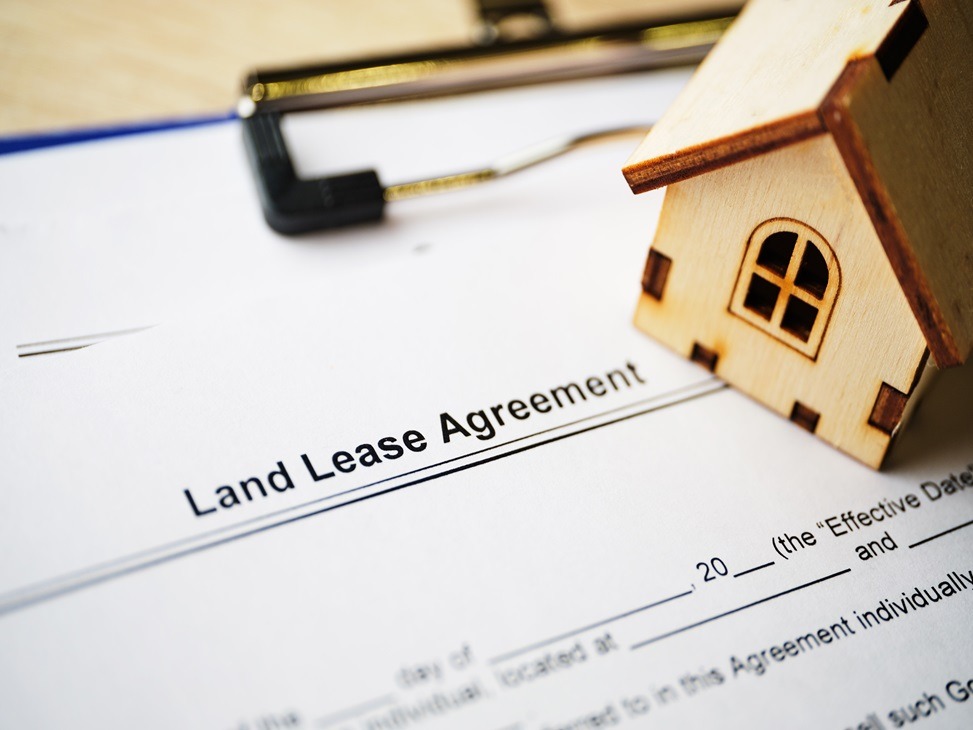
Property Leasehold in Thailand. In Thailand, leasehold is the principal legal mechanism by which foreigners gain long-term access to immovable property, especially land and landed residences. While Thai law prohibits foreign individuals from owning freehold land outright (with limited exceptions), leasehold arrangements provide a structured, though limited, right to possess and use land or property under the Civil and Commercial Code (CCC).

However, leasehold is not equivalent to ownership. It is a personal right, subject to expiration, transfer restrictions, and conditions that may vary depending on whether the lease is over land, buildings, or condominium units. Understanding the legal nuances of leasehold in Thailand is critical for both foreign nationals and Thai lessors seeking to enter secure, enforceable, and compliant contracts.

1. Legal Basis for Leasehold in Thailand

The law governing lease agreements in Thailand is found primarily in the Civil and Commercial Code, Book III, Title V: “Hire of Property” (Sections 537–571). Lease agreements involving immovable property—such as land or buildings—must also comply with land laws, particularly the Land Code Act B.E. 2497 (1954) and regulations of the Land Department.

A lease (or hire) is defined as a contract where one party (the lessor) grants the other (the lessee) the right to possess and use property for a specified period in exchange for payment or rent.

2. Maximum Lease Term for Immovable Property

Under Section 540 of the CCC, the maximum lease term permitted for immovable property is 30 years. This applies equally to Thai and foreign lessees. Any lease exceeding this term is automatically reduced to 30 years by operation of law.

A further renewal of 30 years is possible, but not automatic—it requires the express agreement of both parties at the time of renewal and must be registered anew.

Importantly, Thai law does not recognize perpetual leasehold or 30+30+30 contracts as binding beyond the original 30 years.

3. Registration Requirements

For a lease of land or building exceeding 3 years, the lease must be registered with the Land Office to be legally enforceable (Section 538 CCC). Failure to register results in a lease that is only enforceable for up to 3 years, regardless of the contractual term.

Registration Process:

  • Executed at the provincial or district Land Office where the property is located

  • Both lessor and lessee must be present (or represented by a power of attorney)

  • Lease agreement must be in writing

  • Registration fee: typically 1.1% of the total lease value (1% fee + 0.1% stamp duty)

Leases registered with the Land Office are annotated on the title deed (Chanote) or land right document, providing public notice and legal traceability.

4. Leasehold of Land vs. Leasehold of Buildings

The legal treatment differs based on the subject of the lease:

A. Lease of Land

  • Foreign individuals may lease land for residential or commercial use for up to 30 years

  • Lessor must have full ownership (Chanote title) or lawful land rights

  • Lessee cannot sublease, sell, or transfer the lease unless expressly allowed

B. Lease of Buildings (e.g., Villas, Townhouses)

  • A building may be leased separately from the land it sits on, but this requires the building to be owned separately, which can be complex under Thai law

  • In some cases, a foreigner may own the building (as movable property) and lease the land underneath—a structure often seen in villa developments

Legal caution: Ownership of a building constructed on leased land must be documented properly through building permits and construction declarations, or the structure may legally belong to the landowner.

5. Leasehold for Condominium Units

Under the Condominium Act B.E. 2522, foreigners may own up to 49% of the total area of a condominium project. For units outside that quota, leasehold is an alternative.

Lease of Condominium Units:

  • Registered lease up to 30 years

  • May include rights to use common property (e.g., pool, gym), but must be stated explicitly

  • Leased units may face challenges with resale or transfer, particularly if the lease term has substantially elapsed

Unlike freehold unit owners, leaseholders have no voting rights in the condominium juristic person unless authorized by proxy.

6. Renewal Clauses and Their Legal Status

The concept of “30+30+30” lease agreements, where a lease contract includes two optional extensions, is not enforceable in advance under Thai law.

The second and third terms are considered promises to renew, but they:

  • Are not binding on successors or third-party purchasers

  • Cannot be registered until the renewal occurs

  • Are voidable if the lessor refuses to register the extension later

Thai courts have consistently held that only the current 30-year term is enforceable, and future extensions do not run with the land unless new registration occurs.

7. Inheritance and Transfer of Leasehold Rights

Leasehold is considered a personal contractual right, not a real right. Therefore, unless the lease contract explicitly allows inheritance or assignment, the right does not automatically pass to heirs.

Best practice:

  • Include succession clauses in the lease agreement

  • Register the right of transfer, assignment, or sublease with the Land Office

  • Maintain a separate testamentary will specifying the lease rights as part of the estate

8. Termination, Breach, and Remedies

Under Sections 548 and 569 of the CCC, lease agreements may be terminated:

  • Upon expiration of term

  • By mutual agreement

  • For breach of contract (e.g., non-payment of rent)

  • For destruction or uninhabitability of the property

In case of dispute, either party may file a civil action in the Thai courts. Eviction or possession claims must follow proper legal procedures; self-help measures (e.g., changing locks) are unlawful.

9. Commercial Leasehold and BOI Projects

Foreign companies with Board of Investment (BOI) privileges or operating within Industrial Estates may be granted land leases up to 50 years, with a one-time 49-year renewal (total 99 years), under special provisions of the Investment Promotion Act.

These leases:

  • Require BOI certification

  • Are only for approved business operations

  • Do not apply to individuals or non-business use

This exception underscores the policy-driven flexibility in leasehold tenure for investment-related purposes.

10. Practical Risks and Legal Considerations

While leasehold arrangements are common and legal, they come with practical challenges:

  • No equity: The lessee does not gain ownership or appreciation of land value

  • Marketability: Reselling a lease is difficult, especially as term diminishes

  • Third-party sales: A sale of the land does not automatically transfer the lease unless it is registered

  • Breach risk: Lessees are vulnerable to landlord default, especially if promises are not registered

  • Bank financing: Leaseholds are generally not acceptable as collateral for mortgage financing in Thailand

11. Conclusion

Leasehold property in Thailand offers a legal, accessible method for foreigners to enjoy long-term use of land and buildings. While the system is well-established, it is bounded by fixed term limits, lack of proprietary rights, and weak enforceability of renewal promises. Success in leasehold investment depends on careful contract drafting, proper registration, and understanding of Thai legal principles governing immovable property.

For high-value transactions, it is imperative to consult with a licensed Thai property lawyer to structure the lease, ensure proper filings, and mitigate risks across generations. Though leasehold is not ownership, with proper safeguards, it can provide a stable and secure framework for long-term residence or property use in Thailand.

Categories
Property

Escrow Accounts in Thailand

Escrow Accounts in Thailand. Escrow accounts are a critical financial tool used to facilitate secure transactions, particularly in high-value deals such as real estate, mergers and acquisitions, and international trade. In Thailand, the use of escrow accounts has grown in prominence as the country’s economy continues to integrate with global markets. However, the legal and operational intricacies of escrow accounts in Thailand are often misunderstood or overlooked. This article provides an in-depth exploration of escrow accounts in Thailand, covering their legal framework, practical applications, and the challenges associated with their use.

1. What is an Escrow Account?

An escrow account is a financial arrangement where a neutral third party, known as the escrow agent, holds funds or assets on behalf of transacting parties until predefined conditions are met. This mechanism ensures that both buyers and sellers fulfill their obligations before the transaction is finalized, reducing the risk of fraud or default.

In Thailand, escrow accounts are commonly used in:

  • Real estate transactions.
  • Mergers and acquisitions (M&A).
  • International trade and cross-border transactions.
  • High-value commercial contracts.

2. Legal Framework Governing Escrow Accounts in Thailand

Thailand does not have a specific law dedicated to escrow accounts. Instead, their use is governed by a combination of contractual agreements, the Civil and Commercial Code (CCC), and regulations issued by the Bank of Thailand (BOT).

2.1 Contractual Basis

The terms and conditions of an escrow arrangement are typically outlined in a tripartite agreement between the buyer, seller, and escrow agent. This agreement specifies:

  • The conditions under which funds or assets will be released.
  • The responsibilities of the escrow agent.
  • Dispute resolution mechanisms.

Since escrow accounts are not explicitly regulated, the enforceability of these agreements relies heavily on the principles of contract law under the CCC.

2.2 Role of the Bank of Thailand

While the BOT does not directly regulate escrow accounts, it oversees the financial institutions that often act as escrow agents. Banks and licensed financial institutions in Thailand are required to comply with anti-money laundering (AML) and know-your-customer (KYC) regulations, which also apply to escrow arrangements.

2.3 Escrow Agents

In Thailand, escrow agents are typically:

  • Commercial banks.
  • Licensed financial institutions.
  • Law firms with expertise in corporate and commercial law.
  • Specialized escrow service providers.

The choice of escrow agent is critical, as their credibility and expertise can significantly impact the security and efficiency of the transaction.

3. Practical Applications of Escrow Accounts in Thailand

3.1 Real Estate Transactions

Thailand’s real estate market, particularly in cities like Bangkok, Phuket, and Chiang Mai, attracts significant foreign investment. Escrow accounts are widely used to secure property transactions, especially when dealing with international buyers. For example:

  • A foreign buyer may deposit the purchase price into an escrow account, which is released to the seller only upon successful transfer of the property title.
  • Escrow accounts can also hold funds for property taxes, maintenance fees, or other obligations until the transaction is complete.

3.2 Mergers and Acquisitions (M&A)

In M&A deals, escrow accounts are used to manage risks associated with post-closing adjustments, indemnities, or contingent liabilities. For instance:

  • A portion of the purchase price may be held in escrow to cover potential claims or breaches of representations and warranties.
  • The funds are released to the seller only after a specified period, during which the buyer can verify the accuracy of the seller’s claims.

3.3 International Trade

Thailand’s position as a global trade hub makes escrow accounts invaluable for cross-border transactions. They are often used to:

  • Secure payments for goods shipped internationally.
  • Ensure compliance with trade terms, such as letters of credit or delivery milestones.
  • Mitigate risks associated with currency fluctuations or political instability.

3.4 High-Value Commercial Contracts

Escrow accounts are also used in large-scale commercial projects, such as construction or infrastructure development. For example:

  • Payments to contractors may be held in escrow and released upon completion of specific project milestones.
  • This ensures that contractors meet their obligations before receiving payment, reducing the risk of delays or disputes.

4. Challenges and Risks Associated with Escrow Accounts in Thailand

While escrow accounts offer significant benefits, their use in Thailand is not without challenges.

4.1 Lack of Specific Regulation

The absence of a dedicated legal framework for escrow accounts can create uncertainty, particularly in disputes. Parties must rely on the terms of their escrow agreement, which may not always be enforceable in court.

4.2 Escrow Agent Reliability

The credibility and expertise of the escrow agent are paramount. In some cases, unscrupulous agents may mismanage funds or fail to adhere to the terms of the agreement. It is essential to choose a reputable agent with a proven track record.

4.3 Currency and Exchange Risks

For international transactions, currency fluctuations can impact the value of funds held in escrow. Parties should consider using multi-currency escrow accounts or hedging strategies to mitigate this risk.

4.4 Dispute Resolution

Disputes over the release of escrow funds can arise, particularly if the terms of the agreement are ambiguous. Including clear dispute resolution mechanisms, such as arbitration or mediation, in the escrow agreement can help address this issue.

5. Case Studies: Escrow Accounts in Action

5.1 Real Estate Development in Phuket

A foreign investor purchasing a luxury villa in Phuket used an escrow account to secure the transaction. The purchase price was deposited into an escrow account managed by a local bank, and the funds were released only after the land title was successfully transferred to the buyer. This arrangement provided both parties with confidence and security throughout the process.

5.2 Cross-Border Trade Agreement

A Thai exporter of agricultural products entered into a trade agreement with a European buyer. The buyer deposited the payment into an escrow account, which was released upon confirmation of shipment and delivery. This ensured that the exporter received payment only after fulfilling their obligations, reducing the risk of non-payment.

6. Best Practices for Using Escrow Accounts in Thailand

To maximize the benefits of escrow accounts and mitigate risks, parties should adhere to the following best practices:

6.1 Draft a Comprehensive Escrow Agreement

The escrow agreement should clearly outline:

  • The conditions for releasing funds.
  • The responsibilities of the escrow agent.
  • Procedures for resolving disputes.

Engaging legal counsel with expertise in Thai contract law is essential to ensure the agreement is enforceable.

6.2 Choose a Reputable Escrow Agent

Select an escrow agent with a strong reputation, relevant experience, and compliance with Thai regulations. Banks and licensed financial institutions are generally the most reliable options.

6.3 Monitor Currency Risks

For international transactions, consider using multi-currency escrow accounts or hedging strategies to protect against exchange rate fluctuations.

6.4 Plan for Dispute Resolution

Include clear dispute resolution mechanisms in the escrow agreement, such as arbitration or mediation, to address potential conflicts efficiently.

7. Conclusion

Escrow accounts play a vital role in facilitating secure and transparent transactions in Thailand, particularly in high-value industries such as real estate, M&A, and international trade. While the lack of specific regulation poses challenges, a well-drafted escrow agreement and a reputable escrow agent can mitigate risks and ensure the smooth execution of transactions. As Thailand’s economy continues to grow and attract foreign investment, the use of escrow accounts is likely to become even more prevalent, underscoring the importance of understanding their legal and operational nuances. By adhering to best practices and leveraging local expertise, businesses can harness the full potential of escrow accounts to achieve their objectives in Thailand’s dynamic market.

Categories
Property

Title Deeds in Thailand

Title deeds in Thailand are legal documents that establish ownership and land rights. The Land Department issues different types of deeds, each granting varying levels of ownership security. Understanding these distinctions is crucial for anyone involved in real estate transactions.

1. Types of Title Deeds in Thailand

Thailand has multiple title deed classifications, ranging from full ownership rights to more limited land-use certificates.

1.1 Chanote (Nor Sor 4 Jor) – Freehold Title

  • The most secure form of land ownership.
  • Issued with GPS-surveyed boundaries, minimizing disputes.
  • Allows full transfer, sale, mortgage, and lease rights.
  • Highly recommended for real estate investments.

1.2 Nor Sor 3 Gor (Confirmed Land Possession)

  • Grants ownership rights but lacks precise GPS mapping.
  • Can be upgraded to a Chanote through the Land Department.
  • Allows for sale, lease, and mortgage, but transfer requires a 30-day public notice.

1.3 Nor Sor 3 (Possessory Right)

  • Less precise than Nor Sor 3 Gor; land surveys are not fixed.
  • Can be converted into Nor Sor 3 Gor or Chanote with further verification.
  • Transfer requires a public notice period before approval.

1.4 Sor Kor 1 (Certificate of Land Possession)

  • Recognizes possession but does not grant ownership.
  • Requires upgrading to Nor Sor 3 or Chanote for legal sale or transfer.

2. Foreign Ownership Restrictions

  1. Foreigners Cannot Own Land Directly – Must use legal alternatives:
    • Purchase condominiums (up to 49% of total project area).
    • Obtain a 30-year lease (renewable).
    • Invest at least 40 million THB for potential land ownership approval.
  2. Company Ownership Structures – Foreigners may own land through a Thai company (requires compliance with the Foreign Business Act).

3. Conducting a Title Search

Before purchasing land, a title search at the Land Department is essential to verify:

  • The authenticity of the title deed.
  • Encumbrances like mortgages or liens.
  • Legal zoning and land use restrictions.

4. Transferring Title Deeds

  1. Buyer and Seller Visit the Land Department.
  2. Verification of Title and Settlement of Fees.
  3. New Title Issued in the Buyer’s Name.

Fees include:

  • Transfer fee: 2% of assessed value.
  • Withholding tax: 1% of sale price (corporate sellers), or progressive rates for individuals.
  • Specific business tax (if applicable): 3.3%.

Conclusion

Understanding title deeds in Thailand is crucial for legal and secure property transactions. Chanote titles offer the highest ownership security, while Nor Sor 3 Gor and Nor Sor 3 provide alternative options. Conducting thorough due diligence before purchasing land ensures a safe investment.

Categories
Property

Title Search in Thailand

A title search in Thailand is an essential step in any property transaction. This process involves verifying the legal status of land or property, ensuring clear ownership, and identifying any encumbrances, such as mortgages or disputes. Conducted at the Land Department, a title search safeguards buyers and investors by providing accurate and updated information about the property’s legal standing.

1. Why is a Title Search Necessary?

The title search process is critical for:

  • Verifying Ownership: Confirms the legal owner of the property.
  • Ensuring Clear Title: Identifies any encumbrances, disputes, or restrictions on the property.
  • Boundary Confirmation: Validates that the physical land matches the legal description in the title deed.
  • Compliance with Zoning Laws: Ensures the property’s intended use aligns with local regulations.

By conducting a title search, buyers can mitigate risks and prevent potential legal disputes.

2. Key Elements of a Title Search

A title search typically reviews the following:

a) Ownership History

  • Traces the property’s ownership to ensure legitimate transfer of rights.
  • Identifies any claims or disputes involving the property.

b) Encumbrances

  • Checks for mortgages, liens, or other legal claims registered against the property.

c) Zoning and Land Use

  • Verifies zoning laws and regulations applicable to the property, such as residential, commercial, or agricultural use.

d) Boundary Details

  • Confirms the property’s size and boundaries as described in the title deed.

3. Types of Title Deeds in Thailand

The type of title deed influences the scope of the title search. Common title deeds include:

  • Chanote (Nor Sor 4 Jor): Provides full ownership rights with precise GPS-measured boundaries.
  • Nor Sor 3 Gor: Legally recognized but less precise; can be upgraded to Chanote.
  • Nor Sor 3: Offers limited ownership rights and requires public notice for transactions.
  • Possessory Rights: Indicates possession rather than ownership; not suitable for secure investment.

Understanding the title deed type is crucial during a title search to assess the property’s legal standing.

4. The Title Search Process

a) Preliminary Verification

  • Obtain a copy of the title deed from the seller.
  • Cross-check the deed’s authenticity with the Land Department.

b) Land Department Records Search

  • Visit the Land Department to review official records for ownership, encumbrances, and disputes.
  • Access boundary maps to confirm alignment with the physical property.

c) Survey and Inspection

  • Hire a licensed surveyor to verify boundaries and identify potential encroachments or zoning violations.

d) Legal Review

  • Engage a legal professional to interpret the title search results and ensure the property complies with Thai property laws.

5. Costs and Duration

Costs

  • Administrative fees for accessing Land Department records are typically nominal, ranging from THB 100 to THB 500.
  • Additional costs may include surveyor fees and legal consultation charges.

Duration

  • A standard title search can take 1-2 weeks, depending on the complexity of the property’s ownership history and legal status.

6. Challenges and Risks in Title Searches

a) Fraudulent Deeds

Fake or altered title deeds can deceive buyers. Verification at the Land Department is essential to avoid fraud.

b) Unregistered Encumbrances

Informal or unregistered claims, such as verbal agreements, may not appear in official records but could still pose legal risks.

c) Boundary Disputes

Discrepancies between the title deed and physical boundaries may lead to disputes with neighbors.

7. Best Practices for Title Searches

  • Engage Experts: Work with legal professionals and surveyors to ensure a thorough review.
  • Use Updated Records: Verify all information directly at the Land Department to avoid relying on outdated or incorrect data.
  • Request Transparency: Require the seller to disclose all relevant documents and details about the property.

Conclusion

A title search in Thailand is an indispensable part of any property transaction. By ensuring clear ownership, verifying legal compliance, and identifying potential risks, buyers can make informed decisions and secure their investments. Partnering with experienced legal and surveying professionals adds an extra layer of protection, helping to navigate the complexities of Thai property law confidently.

Categories
Property

Property Market in Thailand

Property Market in Thailand. Thailand’s property market is a dynamic and ever-evolving landscape, offering both opportunities and challenges for investors, homebuyers, and developers alike. From bustling urban centers to serene coastal retreats, Thailand’s diverse real estate sector caters to a wide range of preferences and budgets. In this article, we explore the key factors shaping the property market in Thailand and provide insights into the trends and developments influencing investment decisions and property purchases.

Urban Expansion and Development

In recent years, Thailand’s major cities, including Bangkok, Phuket, and Chiang Mai, have experienced rapid urbanization and development. This growth has led to increased demand for residential and commercial properties, driving up property prices and rental rates in prime locations. Developers are capitalizing on this trend by launching ambitious mixed-use projects, condominium complexes, and commercial developments to meet the growing demand for modern and convenient living spaces.

Market Overview:

  • Growth Slowdown: While the market is projected to reach $71.7 billion by 2029 [Mordor Intelligence], analysts predict a tepid 2024, with a possible decline in housing transfers [Bangkok Post]. Rising inflation and stricter lending conditions are contributing factors [Krungsri Research].
  • Residential Segment: Despite the slowdown, the residential sector shows some promise, particularly for low-rise houses [Bangkok Post]. This segment caters to first-time homebuyers and may benefit from a growing domestic market.

Investment Considerations:

  • Foreign Ownership: Foreigners can own condos freehold, but ownership is capped at 49% of the development area. Carefully verify availability with the developer.
  • Financing: Foreigners have limited access to mortgages. Consider alternative options like private financing or funds from abroad.
  • Location: Popular tourist areas might offer good rental yields, while peaceful suburbs cater more to personal retreats.

Government Initiatives and Incentives

The Thai government has implemented various initiatives and incentives to stimulate the property market and encourage investment in key sectors. These include measures to streamline the property registration process, promote sustainable development, and attract foreign investment. Additionally, government-backed infrastructure projects, such as mass transit systems and airport expansions, are enhancing connectivity and driving property development in surrounding areas.

Sustainable and Eco-Friendly Developments

With growing awareness of environmental issues and sustainability concerns, developers in Thailand are increasingly incorporating green building practices and eco-friendly features into their projects. This includes energy-efficient design, use of renewable materials, and implementation of eco-friendly amenities such as green spaces, rooftop gardens, and recycling facilities. Sustainable developments not only appeal to environmentally conscious buyers but also contribute to the overall attractiveness and value of the property.

The Evolving Landscape:

  • Economic Factors: Inflation and potential GDP growth can influence real estate appreciation in the long run [Silk Estate].
  • Government Policies: Government initiatives aimed at stimulating the market should be monitored for potential buying opportunities.

Strategies for Success:

  • Seek Professional Guidance: A lawyer specializing in Thai real estate can ensure a smooth transaction and protect your interests.
  • Do Your Research: Thoroughly research the property type, location, and market trends before making an investment decision.
  • Long-Term Perspective: While short-term fluctuations might occur, Thailand’s property market holds long-term potential, especially for those seeking a vacation home or retirement haven.

Conclusion

Thailand’s property market, while navigating some headwinds, offers opportunities for savvy investors. By understanding current trends, conducting due diligence, and seeking professional advice, you can make informed decisions and position yourself for success in this dynamic market.

Categories
Property

Property Taxes in Thailand

Property Taxes in Thailand. It’s important for investors in Thailand’s booming real estate market to understand the intricate details of property taxes. This page provides a thorough overview of Thailand’s real estate taxes, including the many kinds of taxes, their respective rates, and important factors to keep in mind as a property owner.

I. Thailand’s Property Tax Types

A. 1. Transfer Charge:

  1. When ownership of the property is transferred, a transfer fee is assessed.
  2. Typically, the rate is 2% of the property’s assessed value.

B. 2. The SBT, or Specific Business Tax:

  1. Applicable when a property is sold within five years of being owned.
  2. 3.3% of the assessed value or the actual selling price, whichever is larger, is the SBT rate.

C. 3. Stamp Inflation:

  1. Official documents pertaining to the transfer of property are subject to stamp duty charges.
  2. The rate is set at 0.5% of the declared price or the assessed value of the property, whichever is greater.

D. 4. Tax on Withholding:

  1. Imposed on money received from the sale of real estate.
  2. For both Thai and non-Thai tax residents, the withholding tax rate is 1% of the stated price or the assessed value.

II. Important Things Property Owners Should Know

A. 1. Tax Repercussions for the Sale:

  1. When selling their property, owners should be mindful of the tax ramifications, including stamp duty, SBT, and transfer fees.
  2. Reducing tax obligations can be achieved with careful financial planning.

B. 2. Tax Withholding Requirements:

  1. When property is sold, withholding tax is due from the seller.
  2. Complying requires an understanding of the withholding tax requirements and procedure.

C. 3. Appraisal Techniques:

  1. The assessed value of the property is frequently used to compute property taxes.
  2. The procedures used by local authorities for property appraisal should be known to property owners.

D. 4. Dismissals and Minus Charges:

  1. Certain properties might qualify for reductions or exemptions from taxes.
  2. These could be properties held by particular corporations or ones utilized for farming.

III. Tax Liabilities and the Transfer Process

A.1. Sale of Real Estate Contract:

  1. An enforceable selling agreement is an essential part of the property transfer procedure.
  2. The conditions of the transaction, including the agreed-upon price, should be spelled out in detail in the agreement.

B.2. Paying Taxes at the Land Registry:

  1. During the transfer process, property owners must pay stamp duty, SBT, and transfer fees at the Land Office.
  2. To prevent transfer delays, payments should be made as soon as possible.

C. 3. Submission of Withholding Tax:

  1. Within stipulated timeframes, sellers are required to submit the withholding tax to the Revenue Department.
  2. The selling agreement and proof of tax payment, among other necessary paperwork, must be submitted.

IV. Tax Issues for Owners of Foreign Property

A.1. Withholding Tax for Tax Residents Who Are Not Thai:

  1. Withholding tax is imposed on non-Thai tax residents when they sell their properties.
  2. For foreign property owners, knowing the tax ramifications and getting expert guidance are essential.

B. 2. International Tax Agreements:

  1. The tax responsibilities of foreign property owners may be impacted by tax treaties that some nations have with Thailand.
  2. Owners of real estate should be aware of any applicable tax treaties.

V. Getting Expert Guidance

A.1. Experts in law and taxes:

  1. It is advisable to work with legal and tax experts who are knowledgeable with Thai property regulations.
  2. Experts can offer customized guidance depending on the property owner’s unique situation.

B. 2. Frequent Updates on Tax Law Reforms:

  1. Tax laws could alter, affecting the responsibilities of property owners.
  2. Staying up to date with tax requirements on a regular basis guarantees adherence to current legislation.

VI. Conclusion

In Thailand, property taxes are an essential component of real estate deals that affect both international and domestic property owners. For property owners attempting to navigate the tax landscape, a thorough awareness of the numerous taxes, their ramifications, and compliance requirements is imperative. Proprietors can enhance their tax positions and support a transparent and prosperous real estate market in Thailand by remaining well-informed, interacting with experts, and making strategic plans.

Categories
Property

Transferring Title Deeds in Thailand

In Thailand, title deed transfers. Purchasing and transferring property is an important life milestone, and to guarantee a seamless transfer of ownership, it is essential to comprehend the legal procedure. Title deed transfers, or Chanotes, are handled in Thailand through a formal process involving cash transactions, legal paperwork, and adherence to regional laws. The importance, essential procedures, and legal considerations of the title deed transfer process in Thailand are all covered in detail in this article.

I. Importance of Transferring Title Deeds

A. Legal Ownership: The title deed offers security and protection for property rights by acting as a formal record of ownership.

B. Validation of Transactions: Properly transferred title deeds guarantee that the buyer has the legal right to the property and approve transactions involving it.

C. Asset Valuation: When it comes to loans, mortgages, and property development, title deeds are crucial for ascertaining the worth of a property.

II. Title Deed Types in Thailand

A. Chanote: With comprehensive information about land use and property boundaries, this is the safest and most favored type of title deed.

B. Nor Sor 3 Gor: Compared to Chanote, this property title deed offers less details regarding the borders of the land.

C. Nor Sor Sam: Based on aerial surveys, this lower-level title deed offers estimated limits, making it less secure.

III. Crucial Procedures for Title Deed Transfers

A. Initial Due Diligence: Examine the property’s ownership, history, and any liens that might impact the transfer in detail.

B. Purchase Agreement: Write down and sign a purchase agreement that contains all of the information about the terms and conditions of selling the property, such as the purchase price, the payment schedule, and the transfer circumstances.

C. Title Deed Examination: Hire a licensed legal professional to examine the title deed in-depth to make sure it is legitimate and clear of any encumbrances.

D. Tax Clearance: As required by Thai law, pay the relevant transfer fees, including the business tax, stamp duty, and withholding tax.

E. Funds Transfer: Pay the seller the agreed-upon purchase price while abiding by all applicable financial and legal requirements.

F. Transfer Registration: Finish the title deed registration process at the nearby Land Office, and the ownership information will be changed.

IV: Legal Aspects and Due Care

A. Land Zoning and Restrictions: Make that the property satisfies all local zoning regulations and that it is zoned for the planned use.

B. Liabilities and Encumbrances: Look into any liens, mortgages, and other encumbrances that may be attached to the property.

C. Unpaid Taxes and Fees: Prior to the transfer, make sure that all utilities, property taxes, and related costs are current.

D. Transfer Costs and Fees: Recognize the different charges related to the transfer of title deeds, such as taxes, stamp duty, and attorney fees.

V. Considerations After Transfer

A. Title Deed Update: Make sure the local Land Office updates the title deed with the new ownership information.

B. Utilities and Services: Assign the new owner’s name to utility services like electricity and water.

C. Property Insurance: To guard against possible risks or obligations, make arrangements for property insurance coverage.

Conclusion

In Thailand, transferring title deeds is a carefully organized process that takes administrative, financial, and legal considerations into account. Property deals can go through without any problems provided suitable attorneys are hired, proper due diligence is done, and local laws are observed. A successful transfer of property ownership is ensured when people are aware of the importance of title deeds and the procedures involved in transferring them. This understanding enables people to confidently go through the process.

Categories
Property

Contract Review in Thailand

Contract Review in Thailand. Business connections are anchored by contracts, which provide a framework for obligations, liabilities, and legal requirements. Like in any other jurisdiction, it is imperative to approach contract evaluation in Thailand with attention and a thorough awareness of local legislation. This article provides a thorough overview of contract review in Thailand, outlining its importance, important factors, and the function of legal professionals in guaranteeing strong commercial agreements.

I. The Importance of Contract Review

A. Legal Safeguard: By giving all parties concerned legal protection and clarity, a well-drafted and reviewed contract reduces the likelihood of disputes and conflicts.

B. Clearly Stated Expectations: By outlining each party’s rights, responsibilities, and duties, contracts promote mutual understanding and guard against misunderstandings.

C. Adherence to Thai Law: Examining contracts in Thailand guarantees that they follow regional legal specifications as well as cultural standards.

II. Important Things to Know About Thai Contract Reviews

A. Language and Translation: To enhance clarity and prevent misunderstandings, contracts should be written in both Thai and English.

B. Specificity and Detail: Terms, conditions, deliverables, deadlines, and sanctions for noncompliance should all be spelled out in detail in contracts.

C. Local Legal Expertise: To make sure that local laws are followed, it is essential to work with a local legal expert who is familiar with Thai contract law.

D. Cultural Sensitivity: Contracts ought to take into account the subtle cultural differences of Thailand and be attentive to its business norms and practices.

III. Typical Thai Business Contract Types

A. Employment Contracts: These contain information about the terms of employment, such as pay scale, benefits, duties, and notice of termination.

B. Commercial Contracts: Including conditions of payment, delivery, and warranties, these contracts deal with the buying or selling of products or services.

C. Lease Agreements: Defining conditions for equipment or property rentals or leases.

D. Joint Venture Agreements: Specifying the parameters under which two or more companies will cooperate.

E. Franchise Agreements: Outlining the conditions of a franchise arrangement, such as royalties, licensing, and operating standards.

IV. Legal Experts’ Function in Contract Review

A. Legal Expertise: A trained legal expert in Thailand may offer vital advice on preparing and revising contracts as they are well-versed in local contract law.

B. Risk Assessment: Legal professionals are able to recognize any legal hazards and obligations related to a contract’s terms and circumstances.

C. Assistance with Negotiations: They can help ensure that their client’s interests are protected in the contract by offering assistance during negotiations.

D. Compliance and Enforceability: Legal professionals can confirm that agreements are enforceable in the event of a disagreement and conform to Thai law.

V. Post-Agreement Matters

A. Record Keeping: Keeping precise records of all agreements, modifications, and correspondence pertaining to them.

B. Renewal and Termination: Handling extensions, terminations, and renewals of contracts in accordance with the conditions that were previously agreed upon.

C. Dispute Resolution: When a disagreement arises, legal professionals can be a great help in settling it through mediation, arbitration, or court action.

Conclusion

In Thailand, reviewing contracts is an essential part of doing business to make sure they are compliant with local laws and regulations. Businesses can build strong operational foundations by giving language accuracy, cultural sensitivity, and regulatory compliance top priority. In order to successfully navigate the difficulties of contract review, it is imperative that you retain the services of a knowledgeable legal professional with experience in Thai contract law. Businesses can develop solid, mutually beneficial partnerships based on trust and legally enforceable agreements by taking the appropriate approach.

Categories
Property

Property Contracts in Thailand

Property Contracts in Thailand. Before you buy property in Thailand and well before you sign any property agreements in Phuket, speak to our solicitors about the contract to ensure that you know what you are signing yourself into. Contracts can be very complex and it important to understand them well.

Categories
Property

Due Diligence and Property

Do a property due diligence when buying property or any form of real estate in Thailand. A due diligence report would always be advised. The property market in Thailand is not well regulated. Not to long ago in Samui, property had been developed and sold which was located on government property.