Categories
Property

Escrow Accounts in Thailand

Escrow Accounts in Thailand. Escrow accounts are a critical financial tool used to facilitate secure transactions, particularly in high-value deals such as real estate, mergers and acquisitions, and international trade. In Thailand, the use of escrow accounts has grown in prominence as the country’s economy continues to integrate with global markets. However, the legal and operational intricacies of escrow accounts in Thailand are often misunderstood or overlooked. This article provides an in-depth exploration of escrow accounts in Thailand, covering their legal framework, practical applications, and the challenges associated with their use.

1. What is an Escrow Account?

An escrow account is a financial arrangement where a neutral third party, known as the escrow agent, holds funds or assets on behalf of transacting parties until predefined conditions are met. This mechanism ensures that both buyers and sellers fulfill their obligations before the transaction is finalized, reducing the risk of fraud or default.

In Thailand, escrow accounts are commonly used in:

  • Real estate transactions.
  • Mergers and acquisitions (M&A).
  • International trade and cross-border transactions.
  • High-value commercial contracts.

2. Legal Framework Governing Escrow Accounts in Thailand

Thailand does not have a specific law dedicated to escrow accounts. Instead, their use is governed by a combination of contractual agreements, the Civil and Commercial Code (CCC), and regulations issued by the Bank of Thailand (BOT).

2.1 Contractual Basis

The terms and conditions of an escrow arrangement are typically outlined in a tripartite agreement between the buyer, seller, and escrow agent. This agreement specifies:

  • The conditions under which funds or assets will be released.
  • The responsibilities of the escrow agent.
  • Dispute resolution mechanisms.

Since escrow accounts are not explicitly regulated, the enforceability of these agreements relies heavily on the principles of contract law under the CCC.

2.2 Role of the Bank of Thailand

While the BOT does not directly regulate escrow accounts, it oversees the financial institutions that often act as escrow agents. Banks and licensed financial institutions in Thailand are required to comply with anti-money laundering (AML) and know-your-customer (KYC) regulations, which also apply to escrow arrangements.

2.3 Escrow Agents

In Thailand, escrow agents are typically:

  • Commercial banks.
  • Licensed financial institutions.
  • Law firms with expertise in corporate and commercial law.
  • Specialized escrow service providers.

The choice of escrow agent is critical, as their credibility and expertise can significantly impact the security and efficiency of the transaction.

3. Practical Applications of Escrow Accounts in Thailand

3.1 Real Estate Transactions

Thailand’s real estate market, particularly in cities like Bangkok, Phuket, and Chiang Mai, attracts significant foreign investment. Escrow accounts are widely used to secure property transactions, especially when dealing with international buyers. For example:

  • A foreign buyer may deposit the purchase price into an escrow account, which is released to the seller only upon successful transfer of the property title.
  • Escrow accounts can also hold funds for property taxes, maintenance fees, or other obligations until the transaction is complete.

3.2 Mergers and Acquisitions (M&A)

In M&A deals, escrow accounts are used to manage risks associated with post-closing adjustments, indemnities, or contingent liabilities. For instance:

  • A portion of the purchase price may be held in escrow to cover potential claims or breaches of representations and warranties.
  • The funds are released to the seller only after a specified period, during which the buyer can verify the accuracy of the seller’s claims.

3.3 International Trade

Thailand’s position as a global trade hub makes escrow accounts invaluable for cross-border transactions. They are often used to:

  • Secure payments for goods shipped internationally.
  • Ensure compliance with trade terms, such as letters of credit or delivery milestones.
  • Mitigate risks associated with currency fluctuations or political instability.

3.4 High-Value Commercial Contracts

Escrow accounts are also used in large-scale commercial projects, such as construction or infrastructure development. For example:

  • Payments to contractors may be held in escrow and released upon completion of specific project milestones.
  • This ensures that contractors meet their obligations before receiving payment, reducing the risk of delays or disputes.

4. Challenges and Risks Associated with Escrow Accounts in Thailand

While escrow accounts offer significant benefits, their use in Thailand is not without challenges.

4.1 Lack of Specific Regulation

The absence of a dedicated legal framework for escrow accounts can create uncertainty, particularly in disputes. Parties must rely on the terms of their escrow agreement, which may not always be enforceable in court.

4.2 Escrow Agent Reliability

The credibility and expertise of the escrow agent are paramount. In some cases, unscrupulous agents may mismanage funds or fail to adhere to the terms of the agreement. It is essential to choose a reputable agent with a proven track record.

4.3 Currency and Exchange Risks

For international transactions, currency fluctuations can impact the value of funds held in escrow. Parties should consider using multi-currency escrow accounts or hedging strategies to mitigate this risk.

4.4 Dispute Resolution

Disputes over the release of escrow funds can arise, particularly if the terms of the agreement are ambiguous. Including clear dispute resolution mechanisms, such as arbitration or mediation, in the escrow agreement can help address this issue.

5. Case Studies: Escrow Accounts in Action

5.1 Real Estate Development in Phuket

A foreign investor purchasing a luxury villa in Phuket used an escrow account to secure the transaction. The purchase price was deposited into an escrow account managed by a local bank, and the funds were released only after the land title was successfully transferred to the buyer. This arrangement provided both parties with confidence and security throughout the process.

5.2 Cross-Border Trade Agreement

A Thai exporter of agricultural products entered into a trade agreement with a European buyer. The buyer deposited the payment into an escrow account, which was released upon confirmation of shipment and delivery. This ensured that the exporter received payment only after fulfilling their obligations, reducing the risk of non-payment.

6. Best Practices for Using Escrow Accounts in Thailand

To maximize the benefits of escrow accounts and mitigate risks, parties should adhere to the following best practices:

6.1 Draft a Comprehensive Escrow Agreement

The escrow agreement should clearly outline:

  • The conditions for releasing funds.
  • The responsibilities of the escrow agent.
  • Procedures for resolving disputes.

Engaging legal counsel with expertise in Thai contract law is essential to ensure the agreement is enforceable.

6.2 Choose a Reputable Escrow Agent

Select an escrow agent with a strong reputation, relevant experience, and compliance with Thai regulations. Banks and licensed financial institutions are generally the most reliable options.

6.3 Monitor Currency Risks

For international transactions, consider using multi-currency escrow accounts or hedging strategies to protect against exchange rate fluctuations.

6.4 Plan for Dispute Resolution

Include clear dispute resolution mechanisms in the escrow agreement, such as arbitration or mediation, to address potential conflicts efficiently.

7. Conclusion

Escrow accounts play a vital role in facilitating secure and transparent transactions in Thailand, particularly in high-value industries such as real estate, M&A, and international trade. While the lack of specific regulation poses challenges, a well-drafted escrow agreement and a reputable escrow agent can mitigate risks and ensure the smooth execution of transactions. As Thailand’s economy continues to grow and attract foreign investment, the use of escrow accounts is likely to become even more prevalent, underscoring the importance of understanding their legal and operational nuances. By adhering to best practices and leveraging local expertise, businesses can harness the full potential of escrow accounts to achieve their objectives in Thailand’s dynamic market.

Categories
Immigration

Thailand Elite Visa

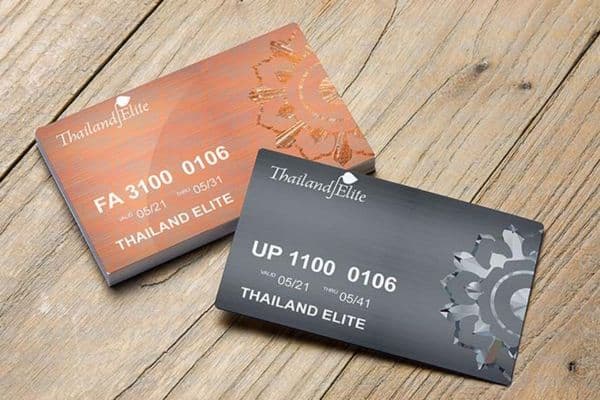
Thailand Elite Visa. The Thailand Privilege program (commonly known as the Thailand Elite Visa) is a government-backed long-stay membership that grants eligible foreign nationals multi-entry, long-duration visas together with a package of lifestyle, immigration and concierge privileges. The program is administered by Thailand Privilege Card Co., Ltd., a company wholly owned by the Ministry of Tourism and Sports, and it is sold as a membership rather than a conventional immigration status — members pay a one-time membership fee (varying by tier) and receive a visa linked to the membership length and benefits.

Who the program is for and basic eligibility

The program targets foreigners who want a hassle-reduced long-term presence in Thailand without the employment or investment requirements of other long-term visas. Typical applicants include retirees, frequent travelers, digital nomads, businesspeople, and high-net-worth individuals. Basic eligibility normally requires a valid foreign passport, no disqualifying criminal record or bankruptcy history, and compliance with Thai immigration rules; specific documentary checks (including background screening) are part of the application. The program does not generally grant work rights — members who wish to work for a Thai employer must still obtain the appropriate non-immigrant work authorizations or permits.

Membership tiers, duration and fees (practical snapshot)

The program is structured into tiers that trade duration and benefits against the membership fee. Typical publicized tiers include Bronze, Gold, Platinum, Diamond, and Reserve (sometimes described as “Bronze/Gold/Platinum/Diamond/Reserve” or similar names), with membership validity options ranging from five to twenty years. Fees vary substantially by tier: for example, Bronze packages have been promoted in the mid-hundreds of thousands of Thai baht for a five-year membership, Gold at a higher five-year price with privilege points, Platinum and Diamond at higher fees with 10–15 year validity, and Reserve or comparable top tiers carrying multi-million-baht price tags and invitation-only rules. Family add-ons or promotions occasionally reduce the fee for dependents. Because tiers and promotional pricing have changed recently, applicants should verify current membership options and pricing with the program operator.

Core benefits and service model

Members receive a bundle of benefits intended to simplify entry and life in Thailand. Common features include: a multi-year multiple-entry visa (5-year visa stamps typically issued and renewable in line with membership duration), VIP immigration fast-track and airport assistance, a personal concierge or member services center, expedited or assisted immigration paperwork (e.g., visa extensions and 90-day reporting support), access to exclusive lounges and partner discounts (hotels, hospitals, golf, and lifestyle services), and priority or facilitated access to government services in some cases. The program emphasizes convenience and lifestyle access rather than immigration entitlements such as work permission.

Application process and practical steps

The application is submitted through the Thailand Privilege Card operator. The usual steps are: initial application and identity/background screening; payment of the membership fee; issuance of membership (and then a privilege visa sticker or visa documentation for entry into Thailand); and arrival facilitation where member services assist with arrival formalities. After arrival, the member typically receives ongoing support for immigration matters covered by the package (for instance, simplified handling of visa stamp renewals and 90-day reports). Processing times, acceptance criteria and documentation requirements are administered by the program operator; applicants should expect verification checks and to provide identity documents, proof of funds where required, and any other documents specified by the operator.

Limitations, legal status and interaction with Thai immigration law

Important legal realities shape the program’s value: (1) the Privilege membership is a paid, private program administered under license and it does not automatically confer permanent residence or citizenship; (2) membership visas do not inherently grant the right to work in Thailand — separate work permits are necessary if employment is intended; (3) membership rights and benefits can change with program rules or policy updates, and promotions or new tiers may be periodically announced; and (4) program admission is discretionary and may be subject to rejection on standard immigration or security grounds. For anyone seeking secure long-term residence, the Privilege program should be evaluated against alternatives (work visas, investment visas, the new LTR/long-term resident options where applicable, and eventual permanent residency) to determine which path fits long-term objectives.

Cost/benefit considerations and practical advice

Whether the program is “worth it” depends on personal priorities. For frequent travelers or those who prize convenience and concierge services, the predictable fee model and administrative support can be attractive. For those seeking employment in Thailand or a route to permanent residency at a lower cost, other visa classes (work, investment, LTR) may be more appropriate. Key practical considerations include: verifying the current public fee schedule and any family-add-on pricing or promotions; checking which specific immigration services are included (some packages cover more immigration assistance than others); confirming whether VIP airport services are available at particular airports; assessing tax and banking implications of long-term presence; and confirming refund or transfer rules in the membership contract. Because pricing, tiers and promotional offers have changed in recent years, always request the current terms in writing before payment.

Interaction with other residency or tax issues

A Thailand Privilege membership affects practical residency (time spent in country, ease of re-entry) but not tax residency rules by itself. Individuals should assess whether their intended physical presence will create tax residency in Thailand (generally based on the 180-day rule and local tax regulations) and consult tax advisors about reporting and withholding implications. Similarly, holding a long-stay membership may simplify access to local services (bank accounts, driving licenses) in practice but documentation and local requirements still apply. Where permanent residency or eventual naturalization is a goal, Privilege membership may help with physical presence but is not a substitute for formal immigration pathways that lead to settlement.

Conclusion — where Privilege fits in your planning

The Thailand Privilege (Elite) Visa is a distinctive product: a paid membership that packages long-stay visa convenience with concierge services and lifestyle benefits. For expatriates who value streamlined immigration administration, reduced arrival friction and hospitality-style perks, it provides immediate advantages; for those focused on employment rights, long-term settlement, or lower-cost residency, alternative visa classes may be more suitable. Because the program’s tiers, pricing, and promotions evolve, prospective applicants should confirm current membership options, read the membership contract carefully, and consider immigration and tax advice tailored to their situation before committing to a fee-based membership.

Categories
Immigration

Thailand Ed Visa

Before students and educators can obtain a Thailand ED visa, there are required to submit different sets of documents. The papers needed are highly dependent on the type of school that they shall be entering. Thus, the requirements for every student may vary. To avoid confusion and delays, the list below outlines the important documents needed in order to acquire the visa.

Categories
Legal

Solicitors in Thailand

If you are looking for a solicitor in Thailand then look no further than Siam Legal. With multi-national staff we assure you that no matter what the office we can assist you in any of your legal issues. Call us today for more assist in Thailand.

Categories
Property

Property Contracts in Thailand

Property Contracts in Thailand. Before you buy property in Thailand and well before you sign any property agreements in Phuket, speak to our solicitors about the contract to ensure that you know what you are signing yourself into. Contracts can be very complex and it important to understand them well.

Categories
Property

Due Diligence and Property

Do a property due diligence when buying property or any form of real estate in Thailand. A due diligence report would always be advised. The property market in Thailand is not well regulated. Not to long ago in Samui, property had been developed and sold which was located on government property.

Categories
Property

Property Options in Phuket

Buying property or renting becomes an issue when you are looking at Thailand for a long term stay or retirement. If you need to view all the options for property in Phuket than speak to our solicitor in Phuket about property purchases, rentals, usufructs and other options which the law allows.

Categories
Immigration

Marriage Visa Application in Phuket

If you are married to a Thai citizen then you would need to apply for a marriage visa also called an “O” visa to live long term in Phuket with your wife. Our solicitors in Phuket will be able to assist you will all the papaerwork needed to obtain the marriage visa.