
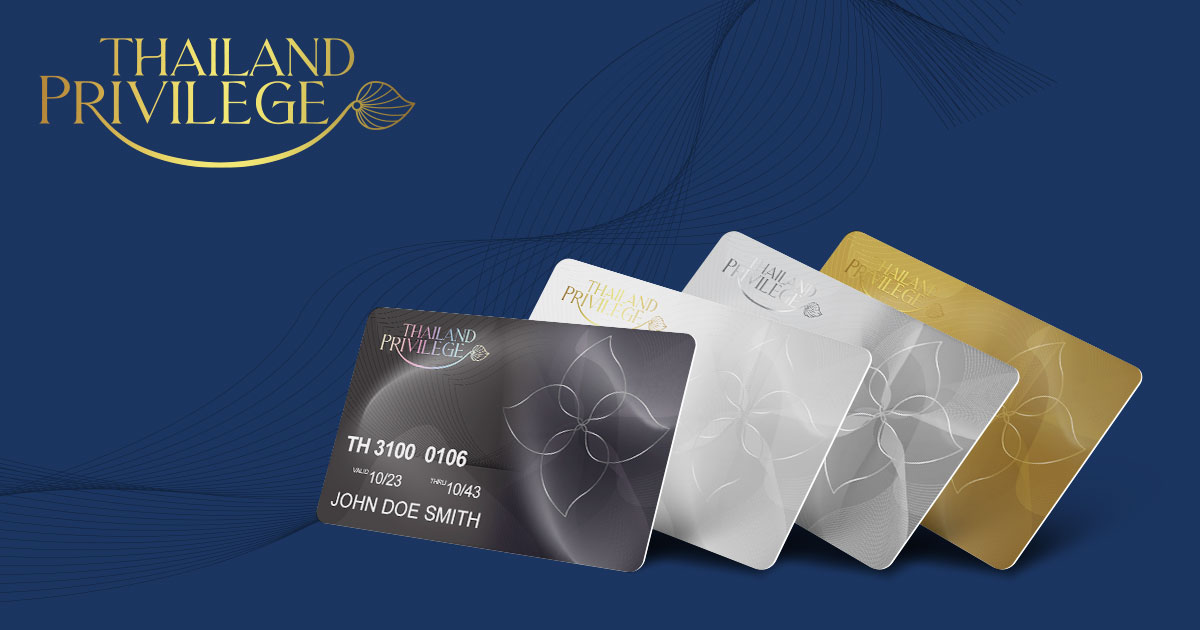
The Thailand Privilege Visa—formerly known as the Thailand Elite Visa—is a long-term residency program administered by Thailand Privilege Card Co., Ltd. (TPC), a state-owned enterprise under the Tourism Authority of Thailand. It is designed for foreign nationals who wish to reside in Thailand for extended periods with simplified immigration procedures and bundled lifestyle privileges, without the need to meet employment, retirement, or marriage-based eligibility criteria. This article explains how the program works, who it suits, available membership tiers, immigration rights, limitations, and practical considerations for applicants.
What the Thailand Privilege Visa is (and is not)
At its core, the Thailand Privilege Visa is a membership-based immigration program. Applicants pay a one-time membership fee and, in return, receive a renewable long-stay visa and a package of benefits administered through TPC.
It is important to understand what the visa does not do:
-
It does not grant the right to work in Thailand.
-
It does not provide permanent residency or Thai citizenship.
-
It does not exempt holders from Thai tax laws.
Instead, it offers long-term lawful stay with administrative convenience, particularly attractive to retirees, digital nomads who do not work locally, investors, frequent visitors, and high-net-worth individuals who value stability and ease of travel.
Visa classification and stay period
The Thailand Privilege Visa is issued as a Non-Immigrant “PE” visa. Depending on the membership tier, holders receive a visa valid for 5, 10, 15, or 20 years, typically granted in renewable increments of 5 years per visa stamp.
Each entry allows a stay of up to one year, renewable annually without leaving Thailand. Unlike most long-stay visas, holders are not required to meet financial thresholds (such as bank deposits or income minimums) to maintain their status.
Membership tiers and fees
Thailand Privilege currently offers several membership packages, differentiated by validity period, price, and number of privilege points included. While packages may evolve, the structure generally includes:
-
5-Year Membership – Entry-level option suitable for long-term visitors testing extended residence.
-
10-Year Membership – Balanced option for semi-permanent residents.
-
15-Year Membership – Designed for families or long-term planners.
-
20-Year Membership – Premium tier offering the longest stability and highest privileges.
Membership fees are paid once upfront and are non-refundable. Fees vary by tier and whether dependents are included. Importantly, the payment is for membership, not a visa fee in the traditional sense, which is why the program is not subject to many of the rules governing standard visa categories.
Privilege points and lifestyle benefits
A defining feature of the program is the Privilege Points system. Each year, members receive a fixed number of points depending on their membership tier. These points can be redeemed for services such as:
-
Airport limousine transfers
-
Fast-track immigration services
-
Golf green fees
-
Spa treatments
-
Health checkups
-
Hotel accommodations
-
Domestic flights (in some packages)
Points expire annually and do not roll over, encouraging regular use. While these perks are not immigration rights, they form a significant part of the program’s value proposition.
Immigration benefits and administrative convenience
From an immigration standpoint, the Thailand Privilege Visa offers several practical advantages:
-
No 90-day reporting requirement when handled through TPC (reporting is coordinated on the member’s behalf).
-
Fast-track airport immigration at major international airports.
-
Assistance with visa renewals, re-entry, and extensions, coordinated by dedicated member liaisons.
-
Multiple re-entry privileges included by default.
These benefits significantly reduce bureaucratic friction compared to retirement, business, or marriage-based visas, which require regular document renewals and financial proof.
Application process
The application process is centralized and relatively straightforward:
-
Submission of application through Thailand Privilege Card Co., Ltd. or an authorized agent.
-
Background check conducted by Thai immigration and law enforcement authorities (typically 4–8 weeks).
-
Approval notification and invoice issuance.
-
Payment of membership fee.
-
Visa affixation, either at a Thai embassy/consulate abroad or at designated immigration offices inside Thailand.
Applicants must hold a clean criminal record and must not be blacklisted or overstaying in Thailand at the time of application. Prior visa history is reviewed but does not automatically disqualify applicants.
Taxation and residency considerations
Holding a Thailand Privilege Visa does not automatically make a person a Thai tax resident. Tax residency depends on physical presence (generally 180 days or more in a calendar year) and the nature of income.
Key points:
-
Foreign-sourced income may become taxable if remitted into Thailand under current tax interpretation.
-
Employment or business activity conducted in Thailand without a proper work permit remains illegal, regardless of visa status.
-
Long-term residents should seek professional tax advice, especially if maintaining international income streams.
The visa provides immigration stability, not tax immunity.
Dependents and family members
Some membership tiers allow for dependents (spouse and children) to be added for an additional fee. Dependents receive similar visa privileges but may have separate point allocations and administrative handling.
Children enrolled as dependents typically age out at a defined limit, after which independent membership or a different visa category is required.
Limitations and risks to understand
Despite its advantages, the Thailand Privilege Visa has limitations:
-
No work authorization without a separate work permit and eligible employment structure.
-
No path to permanent residency or citizenship on its own.
-
High upfront cost, which may not be economical for short-term residents.
-
Policy risk, as program terms are governed administratively and may change over time (existing memberships are typically grandfathered, but benefits may be adjusted).
Applicants should treat the program as a long-term residency convenience tool, not an immigration investment leading to settlement rights.
Who the Thailand Privilege Visa is best suited for
This visa is particularly appropriate for:
-
Retirees who do not meet retirement visa financial thresholds.
-
Remote professionals who earn income abroad and do not work locally.
-
Frequent visitors seeking long-term stay without repetitive visa runs.
-
High-net-worth individuals valuing time savings and administrative ease.
-
Families seeking predictable, long-term residence without employment ties.
Conclusion
The Thailand Privilege Visa occupies a unique position in Thailand’s immigration system. It trades traditional eligibility requirements—such as income, employment, or family ties—for a membership model emphasizing stability, convenience, and lifestyle access. For the right profile, it offers one of the most predictable and low-maintenance ways to live long-term in Thailand.
However, it is not a universal solution. Applicants must carefully weigh cost, work restrictions, tax exposure, and long-term plans before committing. When aligned with the holder’s lifestyle and financial structure, the Thailand Privilege Visa can be an exceptionally efficient pathway to extended residence in Thailand without the administrative burdens common to other visa categories.