Categories
Family

Marital Property in Thailand

Marital property in Thailand is governed by a distinct legal framework that determines how assets are classified, managed, and divided between spouses during marriage and upon divorce or death. Understanding Thailand’s marital property regime is essential for both Thai nationals and foreign spouses, particularly in cross-border marriages where differing legal systems may apply. Thai law adopts a statutory property system that operates automatically once a marriage is legally registered.

This article provides a detailed examination of marital property in Thailand, including its legal basis, property classification, management rights, division upon divorce, inheritance implications, and common areas of dispute.

1. Legal framework governing marital property

Marital property in Thailand is primarily regulated by the Civil and Commercial Code (CCC). The CCC establishes default rules that apply to all legally registered marriages unless a valid prenuptial agreement provides otherwise.

These rules apply equally to:

  • Thai–Thai marriages

  • Thai–foreigner marriages

Religious or customary marriages that are not registered do not create marital property rights under Thai law.

2. Importance of marriage registration

Marriage registration marks the legal starting point for marital property classification. Property acquired before registration generally remains separate, while property acquired after registration may be considered marital property, subject to statutory rules.

Without marriage registration:

  • No marital property regime applies

  • Property rights are governed by general ownership principles

3. Classification of marital property

Thai law divides property between spouses into two main categories:

  1. Sin Suan Tua (Personal Property)

  2. Sin Somros (Marital Property)

Correct classification is critical in disputes and asset division.

4. Sin Suan Tua (Personal Property)

Sin Suan Tua includes:

  • Property owned before marriage

  • Personal items such as clothing and tools of trade

  • Property acquired during marriage through inheritance or gift made specifically to one spouse

  • Compensation for personal injury

Sin Suan Tua remains the exclusive property of the individual spouse.

5. Sin Somros (Marital Property)

Sin Somros includes:

  • Property acquired during marriage by either spouse

  • Income derived from personal property

  • Assets purchased using marital funds

Unless clearly classified as personal property, assets acquired during marriage are presumed to be marital property.

6. Presumption and burden of proof

Thai courts generally presume that property acquired during marriage is Sin Somros. The spouse claiming personal ownership bears the burden of proving that the property qualifies as Sin Suan Tua.

Evidence may include:

  • Purchase records

  • Timing of acquisition

  • Source of funds

  • Gift or inheritance documentation

7. Management of marital property

Joint management principle

Under Thai law, spouses jointly manage Sin Somros. Certain transactions require consent from both spouses, including:

  • Sale or mortgage of immovable property

  • Creation of usufructs or long-term leases

  • Business transactions affecting marital assets

Transactions conducted without proper consent may be voidable.

8. Business interests and marital property

Business assets acquired during marriage are generally considered Sin Somros, even if registered in only one spouse’s name. This includes:

  • Shares in companies

  • Business profits

  • Intellectual property rights created during marriage

However, ownership structure and source of capital may affect classification.

9. Debts and liabilities

Debts incurred during marriage may be classified as:

  • Personal debts, if incurred for personal purposes

  • Marital debts, if incurred for household or joint benefit

Marital debts are generally shared between spouses.

10. Prenuptial agreements and marital property

A valid prenuptial agreement can modify default property rules. To be enforceable:

  • It must be executed before marriage

  • It must be registered at the time of marriage registration

  • It must not violate public order or good morals

Unregistered or post-marriage agreements are invalid.

11. Division of marital property upon divorce

Upon divorce, Sin Somros is divided equally unless otherwise agreed or ordered by the court. The court considers:

  • Property classification

  • Contribution of each spouse

  • Existing agreements

Sin Suan Tua is excluded from division.

12. Court discretion in property division

While equal division is the default, courts may adjust division based on:

  • Bad faith or misconduct

  • Concealment or dissipation of assets

  • Economic circumstances

However, deviations require strong justification.

13. Marital property and inheritance

Upon death of a spouse:

  • Sin Somros is divided into two equal parts

  • The surviving spouse receives one-half outright

  • The deceased’s half becomes part of the estate

This structure significantly affects inheritance planning.

14. Impact on foreign spouses

Foreign spouses are subject to the same marital property rules. However:

  • Foreign land ownership restrictions still apply

  • Marital property classification does not override land laws

  • Special planning is often required for immovable assets

15. Registration issues and property ownership

Property registered in one spouse’s name may still be marital property. Registration alone does not determine ownership classification under marital property law.

16. Common disputes involving marital property

Disputes often arise over:

  • Property classification

  • Business interests

  • Hidden assets

  • Asset transfers before divorce

  • Use of nominees or third parties

Courts carefully examine evidence and intent.

17. Asset tracing and evidentiary challenges

Complex cases require tracing:

  • Source of funds

  • Timing of acquisition

  • Financial records

Proper documentation is critical in proving claims.

18. Preventive planning strategies

Effective planning includes:

  • Prenuptial agreements

  • Clear record-keeping

  • Separate accounts for personal assets

  • Legal advice before major acquisitions

Prevention reduces litigation risk.

19. Role of legal professionals

Legal assistance is often necessary for:

  • Drafting prenuptial agreements

  • Advising on property transactions

  • Representing parties in divorce proceedings

  • Estate planning involving marital assets

Conclusion

Marital property in Thailand is governed by a structured legal regime that balances fairness with legal certainty. The distinction between personal and marital property, the joint management principle, and the default equal division upon divorce or death form the core of this system. For couples—particularly those in international marriages—understanding these rules is essential to protect assets and avoid disputes.

By planning ahead, maintaining proper documentation, and seeking legal guidance when necessary, spouses can navigate Thailand’s marital property regime effectively and ensure that their rights and obligations are clearly defined.

Categories
Immigration

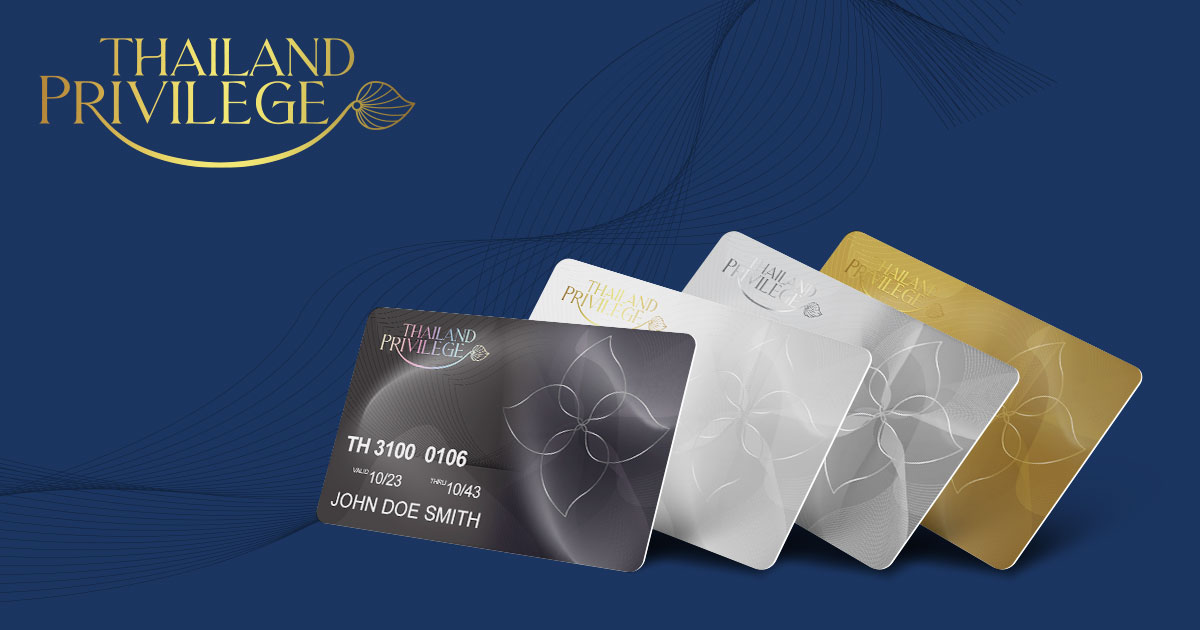
Thailand Privilege Visa

The Thailand Privilege Visa—formerly known as the Thailand Elite Visa—is a long-term residency program administered by Thailand Privilege Card Co., Ltd. (TPC), a state-owned enterprise under the Tourism Authority of Thailand. It is designed for foreign nationals who wish to reside in Thailand for extended periods with simplified immigration procedures and bundled lifestyle privileges, without the need to meet employment, retirement, or marriage-based eligibility criteria. This article explains how the program works, who it suits, available membership tiers, immigration rights, limitations, and practical considerations for applicants.

What the Thailand Privilege Visa is (and is not)

At its core, the Thailand Privilege Visa is a membership-based immigration program. Applicants pay a one-time membership fee and, in return, receive a renewable long-stay visa and a package of benefits administered through TPC.

It is important to understand what the visa does not do:

  • It does not grant the right to work in Thailand.

  • It does not provide permanent residency or Thai citizenship.

  • It does not exempt holders from Thai tax laws.

Instead, it offers long-term lawful stay with administrative convenience, particularly attractive to retirees, digital nomads who do not work locally, investors, frequent visitors, and high-net-worth individuals who value stability and ease of travel.

Visa classification and stay period

The Thailand Privilege Visa is issued as a Non-Immigrant “PE” visa. Depending on the membership tier, holders receive a visa valid for 5, 10, 15, or 20 years, typically granted in renewable increments of 5 years per visa stamp.

Each entry allows a stay of up to one year, renewable annually without leaving Thailand. Unlike most long-stay visas, holders are not required to meet financial thresholds (such as bank deposits or income minimums) to maintain their status.

Membership tiers and fees

Thailand Privilege currently offers several membership packages, differentiated by validity period, price, and number of privilege points included. While packages may evolve, the structure generally includes:

  • 5-Year Membership – Entry-level option suitable for long-term visitors testing extended residence.

  • 10-Year Membership – Balanced option for semi-permanent residents.

  • 15-Year Membership – Designed for families or long-term planners.

  • 20-Year Membership – Premium tier offering the longest stability and highest privileges.

Membership fees are paid once upfront and are non-refundable. Fees vary by tier and whether dependents are included. Importantly, the payment is for membership, not a visa fee in the traditional sense, which is why the program is not subject to many of the rules governing standard visa categories.

Privilege points and lifestyle benefits

A defining feature of the program is the Privilege Points system. Each year, members receive a fixed number of points depending on their membership tier. These points can be redeemed for services such as:

  • Airport limousine transfers

  • Fast-track immigration services

  • Golf green fees

  • Spa treatments

  • Health checkups

  • Hotel accommodations

  • Domestic flights (in some packages)

Points expire annually and do not roll over, encouraging regular use. While these perks are not immigration rights, they form a significant part of the program’s value proposition.

Immigration benefits and administrative convenience

From an immigration standpoint, the Thailand Privilege Visa offers several practical advantages:

  • No 90-day reporting requirement when handled through TPC (reporting is coordinated on the member’s behalf).

  • Fast-track airport immigration at major international airports.

  • Assistance with visa renewals, re-entry, and extensions, coordinated by dedicated member liaisons.

  • Multiple re-entry privileges included by default.

These benefits significantly reduce bureaucratic friction compared to retirement, business, or marriage-based visas, which require regular document renewals and financial proof.

Application process

The application process is centralized and relatively straightforward:

  1. Submission of application through Thailand Privilege Card Co., Ltd. or an authorized agent.

  2. Background check conducted by Thai immigration and law enforcement authorities (typically 4–8 weeks).

  3. Approval notification and invoice issuance.

  4. Payment of membership fee.

  5. Visa affixation, either at a Thai embassy/consulate abroad or at designated immigration offices inside Thailand.

Applicants must hold a clean criminal record and must not be blacklisted or overstaying in Thailand at the time of application. Prior visa history is reviewed but does not automatically disqualify applicants.

Taxation and residency considerations

Holding a Thailand Privilege Visa does not automatically make a person a Thai tax resident. Tax residency depends on physical presence (generally 180 days or more in a calendar year) and the nature of income.

Key points:

  • Foreign-sourced income may become taxable if remitted into Thailand under current tax interpretation.

  • Employment or business activity conducted in Thailand without a proper work permit remains illegal, regardless of visa status.

  • Long-term residents should seek professional tax advice, especially if maintaining international income streams.

The visa provides immigration stability, not tax immunity.

Dependents and family members

Some membership tiers allow for dependents (spouse and children) to be added for an additional fee. Dependents receive similar visa privileges but may have separate point allocations and administrative handling.

Children enrolled as dependents typically age out at a defined limit, after which independent membership or a different visa category is required.

Limitations and risks to understand

Despite its advantages, the Thailand Privilege Visa has limitations:

  • No work authorization without a separate work permit and eligible employment structure.

  • No path to permanent residency or citizenship on its own.

  • High upfront cost, which may not be economical for short-term residents.

  • Policy risk, as program terms are governed administratively and may change over time (existing memberships are typically grandfathered, but benefits may be adjusted).

Applicants should treat the program as a long-term residency convenience tool, not an immigration investment leading to settlement rights.

Who the Thailand Privilege Visa is best suited for

This visa is particularly appropriate for:

  • Retirees who do not meet retirement visa financial thresholds.

  • Remote professionals who earn income abroad and do not work locally.

  • Frequent visitors seeking long-term stay without repetitive visa runs.

  • High-net-worth individuals valuing time savings and administrative ease.

  • Families seeking predictable, long-term residence without employment ties.

Conclusion

The Thailand Privilege Visa occupies a unique position in Thailand’s immigration system. It trades traditional eligibility requirements—such as income, employment, or family ties—for a membership model emphasizing stability, convenience, and lifestyle access. For the right profile, it offers one of the most predictable and low-maintenance ways to live long-term in Thailand.

However, it is not a universal solution. Applicants must carefully weigh cost, work restrictions, tax exposure, and long-term plans before committing. When aligned with the holder’s lifestyle and financial structure, the Thailand Privilege Visa can be an exceptionally efficient pathway to extended residence in Thailand without the administrative burdens common to other visa categories.

Categories
Legal

Affidavit of Foreign Law

Affidavit of Foreign Law. When a Thai court or administrative authority must apply or recognize rules from another country, those foreign rules are a question of fact that must be proved — and an affidavit of foreign law is the standard, efficient way to do it. This article explains when you need one, who should prepare it, exactly what it must contain, the required authentication and translation steps, courtroom practice (including cross-examination), timing and costs, and a practical checklist to ensure admissibility and persuasive force in Thailand.

What it is and why Thai courts require it

An affidavit of foreign law is a sworn, written statement by a qualified expert that sets out the content, sources and application of a rule from another jurisdiction (statute, case law, practice or public-law rule). Under Thailand’s private international law practice and procedural rules, when parties ask a Thai court to apply foreign law the party relying on that law bears the burden of proof — the court will only apply foreign law if it is proved to its satisfaction. In practice, Thai judges expect a focused, sourced, sworn expert statement rather than broad academic commentary.

When you need an affidavit of foreign law

Typical situations include:

  • cases where substantive law chosen by the parties is foreign (contract law, property law, succession rules);

  • recognition/enforcement issues (validity of a foreign judgment, effect of a foreign notarial act);

  • family-law matters (validity of a foreign marriage/divorce); and

  • probate or company law questions where the foreign formation/registration rules are material. In short: when the outcome depends on what the foreign rule actually says and how it operates.

Who should prepare and swear the affidavit

Best practice: instruct a qualified expert from the foreign jurisdiction — typically a lawyer admitted there, an academic specialist, or a high-level practitioner with demonstrable expertise. The deponent must identify credentials (bar number, academic posts, publications), explain instructions received, and swear the affidavit before a competent officer in the foreign country (notary, commissioner). Thai courts give greater weight to a direct expert affidavit than to a local counsel’s summary of foreign law. Specialist Thai firms also assist in coordinating experts and legalization.

Required content and structure (practical template)

A persuasive affidavit should be clear, numbered and exhibit-driven:

  1. Deponent identity & CV — name, practicing jurisdiction, qualifications, experience relevant to the issue.

  2. Instructions & scope — who instructed the expert and the precise legal questions posed (e.g., “Whether under X law a foreign divorce obtained on Y date is valid for purposes of marriage capacity?”). Narrow questions are more useful than broad essays.

  3. Date-cutoff — state the date as at which the law is being reported (e.g., “law of X as at 1 Jan 2025”).

  4. Materials relied upon — list statutes, cases and official sources; annex primary sources (statutes, case reports) as exhibits.

  5. Statement of law — precise, sourced propositions linked to authorities.

  6. Application to facts — reasoned application to the material facts the Thai court must decide.

  7. Conclusion — concise answers to the numbered questions.

  8. Oath & notarization — sworn declaration with date, place and proper notarization details. Courts prefer numbered, exhibit-indexed bundles to speed review.

Authentication, translation and the legalization chain

Affidavits executed overseas normally require authentication to be admissible in Thailand. The typical chain is:

  • sworn/notarized in the foreign state;

  • authenticated by the foreign state’s competent authority (or apostille where applicable);

  • consular/legalization by the Royal Thai Embassy/Consulate where required; and

  • final legalization by the Thai Ministry of Foreign Affairs (MFA) if the receiving Thai office requests it.

If the affidavit or exhibits are not in Thai (or English in some MFA cases), provide certified Thai translations; translations may also need notarization and legalization. The MFA publishes procedural guidance and offices that handle legalization submissions. Failing to follow the exact chain is the most common documentary reason for rejection.

Evidence strategy & exhibits — what convinces judges

Courts expect primary authorities (statutes, official case reports) annexed in full, not just secondary commentary. Where you rely on administrative practice, attach official circulars, practice notes or government web pages. Provide a concise exhibit index and translations aligned to the affidavit paragraphs (e.g., “Exhibit A — statute X, English translation, pp.1–12”). Good exhibit management reduces judicial requests for supplementation.

Courtroom practice: cross-examination and expert attendance

Affidavits are written evidence, but Thai judges commonly reserve the right to require oral examination of the expert if the foreign law is contested or central to the case. That means you should: obtain the expert’s advance agreement on availability (remote or in-person), budget for attendance fees, and ensure the expert can be produced for examination at short notice. If attendance is impractical, set out in the affidavit the expert’s willingness to appear by video and provide contact details.

Timing, costs and practical timeline

  • Preparation time: narrow, focused questions with easily available authorities — several days. Complex multi-jurisdictional research, translations and legalization — several weeks.

  • Costs: expert fees (research + drafting + attendance), translation and notarization, apostille/consular/legalization fees, and courier/consular service charges. Cross-border coordination (multiple experts, multi-language bundles) increases cost materially. Plan and budget early.

Common pitfalls (and how to avoid them)

  • Vague scope: an affidavit answering overly broad questions invites rejection — keep questions tight.

  • Missing primary sources: don’t rely only on textbooks—attach statutes and cases.

  • Incorrect legalization chain: check MFA/embassy rules for your country early.

  • Unwilling expert: secure the expert’s agreement to attend for possible examination before drafting.

  • Poor translations: use certified translators and label translations with exhibit links.

Practical checklist (ready to use)

  • Clear written instructions and the precise legal questions.

  • Factual statement bundle the expert can assume.

  • Proposed expert CV & confirmation of availability for hearing attendance.

  • Annex list of primary authorities (statutes, cases) to be attached.

  • Notarization, apostille/consular step plan, and MFA legalization path checked for the expert’s country.

  • Certified Thai translations of affidavit and exhibits with exhibit index.

  • Budget for expert fees, translations and legalization fees.

Conclusion

An affidavit of foreign law is a technical, high-value piece of evidence in Thai cross-border matters. Its admissibility and persuasive force rest on (1) the expert’s credentials, (2) meticulous citation and annexing of primary authorities, (3) correct notarization/legalization and certified translation, and (4) advance planning for possible expert examination. Start early, narrow the legal questions, coordinate the legalization chain with Thai counsel, and prepare a tight exhibit bundle — those steps convert an affidavit from a formality into decisive, court-worthy proof.

Categories
Legal

Property Mortgages in Thailand

Property Mortgages in Thailand. Mortgages are the primary tool Thai lenders use to secure loans against immovable property. When correctly created and registered a mortgage gives a creditor a ranked, enforceable claim against sale proceeds; done sloppily it can be worthless. This article explains the law that governs mortgages, the practical steps for creating and perfecting security, enforcement mechanics, important foreign-buyer traps and pragmatic drafting/ diligence points that change real outcomes.

Legal foundation: where mortgages come from

Thai mortgages are statutory creatures under the Civil and Commercial Code (CCC). The Code defines a mortgage as an instrument by which a mortgagor assigns immovable property to secure an obligation without delivering possession to the mortgagee, and it sets out the notice, enforcement and priority rules that apply to mortgagees.

What property may be mortgaged

Usual collateral includes land with Chanote title (Nor Sor 4 Jor), other registered land titles, and condominium units (under the Condominium Act). Conventional long leases and certain statutory rights (see below) can also be used as security, but their mortgageability and bankability differ in practice.

Creation and perfection — why the Land Office matters

A mortgage must be in writing and registered at the provincial Land Office where the property sits to be effective against third parties. Registration is the perfection step: it converts the private contract into an annotation on the title deed (back page of the Chanote) and gives the mortgage legal priority over later claims found in Land Office records. For practical purposes, a certified Land Office extract is the single best indicator of encumbrances and ranking.

Typical registration mechanics (practical checklist)

  • Draft mortgage deed in Thai (or Thai-prevailing bilingual wording).

  • Collect originals: title deed, ID/passport, company documents (if a corporate mortgagor), board resolutions and powers of attorney.

  • Parties attend the Land Office (or send authorized representatives) to lodge the deed and pay fees; the registrar annotates the Chanote and issues a certified extract.

Fees, stamp duty and (recent) concessionary measures

The common rule applied by lenders and Land Offices is a registration fee of 1% of the mortgage amount, often subject to a statutory cap (frequently stated in practice as THB 200,000 for residential transactions), plus minimal stamp-duty administration on the loan instrument where applicable. Note: the Thai government periodically issues temporary concessions (reductions/exemptions for certain transfers or mortgages); confirm current Land Office guidance before closing.

Priority, competing charges and due diligence

Priority among secured creditors is chronological by date of registration in the Land Office. That means: (a) a mortgage registered first is senior; (b) buyers who acquire property with a registered mortgage take it subject to that mortgage; and (c) a later-registered mortgage ranks junior even if economically agreed earlier. For lenders, the standard pre-acceptance due diligence is: certified title extract, encumbrance check, boundary verification, confirmation of seller/ mortgagor authority and corporate certification.

Enforcement: court judgment then Legal Execution Department auction

Thai law does not allow private self-help repossession of mortgaged real estate. The practical enforcement route is (i) give the debtor written demand with a reasonable cure period (statutory notice steps apply), (ii) sue for judgment and an order for seizure and sale of the mortgaged property, and (iii) have the Legal Execution Department (LED) conduct the public auction and distribute proceeds in priority order. Expect litigation + execution to commonly take many months; for complex title disputes it can take substantially longer.

Foreigners and mortgageable assets — the real constraints

Because foreigners are generally barred from owning land in fee simple, the typical collateral for a foreign buyer is a condominium unit (where foreign quota permits) or indirect security (shares in a Thai company that owns the land, or rights over leasehold assets). Banks will finance foreign purchasers of condos under strict underwriting rules; land financing for non-Thai individuals almost always relies on corporate share-pledges or lease-based structures rather than a straight land mortgage. Newer statutory devices such as the Rights over Leasehold Asset Act provide extra structured collateral options for leasehold-based financing — but they carry registration and tax consequences that must be understood.

Practical drafting items that matter to lenders

When you draft mortgage and loan documents in Thailand, pay particular attention to:

  • Secured amount wording (define the secured ceiling for revolving facilities).

  • Events of default and a clear cure-notice regime (supporting court notices).

  • Mortgage boundary schedules and plans (attach scale plan and title numbers).

  • Mortgagee remedies (power to apply for judgment and LED execution).

  • Insurance & maintenance covenants (mortgagor must keep property insured with lender as loss payee).

  • Subordination and intercreditor mechanics where multiple lenders exist.

  • Powers of attorney to permit local counsel to register/discharge the mortgage quickly on repayment.

These drafting elements make enforcement administratively simpler and reduce procedural grounds for resistance.

Typical lender protections and commercial practices

Beyond mortgage registration, lenders usually require: corporate guarantees, director/shareholder pledges, assignment of leases and rents, escrowed deposit for transfer costs, and sometimes an express mortgagee’s right to demand re-registration of key operational easements (access servitudes). For large development financings, banks seek intercreditor agreements, direct payment undertakings and step-in rights tied to completion covenants. These commercial layers materially affect ultimate recoverability even where the mortgage is technically sound.

Short case studies (practical outcomes)

  1. Condo mortgage default — bank obtains judgment; LED auctions unit; auction proceeds repay the lender in priority, with the borrower remaining liable for any shortfall.

  2. Mortgage over land owned by guarantor (third party) — parent mortgages land to secure child’s business loan; on default the bank forecloses against the parent’s land (third-party security is recognized under Thai law). Due diligence must therefore include guarantor title searches and family-law inquiries.

Practical closing-room checklist (what to demand before signing)

  • Certified Land Office title extract and recent official plan.

  • Original Chanote or certified copy produced at signing.

  • Corporate documents, board resolution, authorized signatory evidence.

  • Mortgage deed in Thai with clear schedules and Thai-prevailing wording.

  • Calculator run for registration fee and stamp duty (confirm any temporary concessions).

  • Insurance assignment and bank guarantee template in place.

  • Power of attorney granting registration/discharge authority to counsel.

Final point — treat registration as the principal legal defense

In Thailand a mortgage’s legal power is as much a function of Land Office annotation and proper documentary discipline as it is of the contract. Good drafting, flawless registration, sensible intercreditor mechanics and realistic enforcement planning (expect litigation + LED auction) are what convert a mortgage from a paper promise into recoverable security.

Categories
Property

Property Leasehold in Thailand

Property Leasehold in Thailand. In Thailand, leasehold is the principal legal mechanism by which foreigners gain long-term access to immovable property, especially land and landed residences. While Thai law prohibits foreign individuals from owning freehold land outright (with limited exceptions), leasehold arrangements provide a structured, though limited, right to possess and use land or property under the Civil and Commercial Code (CCC).

However, leasehold is not equivalent to ownership. It is a personal right, subject to expiration, transfer restrictions, and conditions that may vary depending on whether the lease is over land, buildings, or condominium units. Understanding the legal nuances of leasehold in Thailand is critical for both foreign nationals and Thai lessors seeking to enter secure, enforceable, and compliant contracts.

1. Legal Basis for Leasehold in Thailand

The law governing lease agreements in Thailand is found primarily in the Civil and Commercial Code, Book III, Title V: “Hire of Property” (Sections 537–571). Lease agreements involving immovable property—such as land or buildings—must also comply with land laws, particularly the Land Code Act B.E. 2497 (1954) and regulations of the Land Department.

A lease (or hire) is defined as a contract where one party (the lessor) grants the other (the lessee) the right to possess and use property for a specified period in exchange for payment or rent.

2. Maximum Lease Term for Immovable Property

Under Section 540 of the CCC, the maximum lease term permitted for immovable property is 30 years. This applies equally to Thai and foreign lessees. Any lease exceeding this term is automatically reduced to 30 years by operation of law.

A further renewal of 30 years is possible, but not automatic—it requires the express agreement of both parties at the time of renewal and must be registered anew.

Importantly, Thai law does not recognize perpetual leasehold or 30+30+30 contracts as binding beyond the original 30 years.

3. Registration Requirements

For a lease of land or building exceeding 3 years, the lease must be registered with the Land Office to be legally enforceable (Section 538 CCC). Failure to register results in a lease that is only enforceable for up to 3 years, regardless of the contractual term.

Registration Process:

  • Executed at the provincial or district Land Office where the property is located

  • Both lessor and lessee must be present (or represented by a power of attorney)

  • Lease agreement must be in writing

  • Registration fee: typically 1.1% of the total lease value (1% fee + 0.1% stamp duty)

Leases registered with the Land Office are annotated on the title deed (Chanote) or land right document, providing public notice and legal traceability.

4. Leasehold of Land vs. Leasehold of Buildings

The legal treatment differs based on the subject of the lease:

A. Lease of Land

  • Foreign individuals may lease land for residential or commercial use for up to 30 years

  • Lessor must have full ownership (Chanote title) or lawful land rights

  • Lessee cannot sublease, sell, or transfer the lease unless expressly allowed

B. Lease of Buildings (e.g., Villas, Townhouses)

  • A building may be leased separately from the land it sits on, but this requires the building to be owned separately, which can be complex under Thai law

  • In some cases, a foreigner may own the building (as movable property) and lease the land underneath—a structure often seen in villa developments

Legal caution: Ownership of a building constructed on leased land must be documented properly through building permits and construction declarations, or the structure may legally belong to the landowner.

5. Leasehold for Condominium Units

Under the Condominium Act B.E. 2522, foreigners may own up to 49% of the total area of a condominium project. For units outside that quota, leasehold is an alternative.

Lease of Condominium Units:

  • Registered lease up to 30 years

  • May include rights to use common property (e.g., pool, gym), but must be stated explicitly

  • Leased units may face challenges with resale or transfer, particularly if the lease term has substantially elapsed

Unlike freehold unit owners, leaseholders have no voting rights in the condominium juristic person unless authorized by proxy.

6. Renewal Clauses and Their Legal Status

The concept of “30+30+30” lease agreements, where a lease contract includes two optional extensions, is not enforceable in advance under Thai law.

The second and third terms are considered promises to renew, but they:

  • Are not binding on successors or third-party purchasers

  • Cannot be registered until the renewal occurs

  • Are voidable if the lessor refuses to register the extension later

Thai courts have consistently held that only the current 30-year term is enforceable, and future extensions do not run with the land unless new registration occurs.

7. Inheritance and Transfer of Leasehold Rights

Leasehold is considered a personal contractual right, not a real right. Therefore, unless the lease contract explicitly allows inheritance or assignment, the right does not automatically pass to heirs.

Best practice:

  • Include succession clauses in the lease agreement

  • Register the right of transfer, assignment, or sublease with the Land Office

  • Maintain a separate testamentary will specifying the lease rights as part of the estate

8. Termination, Breach, and Remedies

Under Sections 548 and 569 of the CCC, lease agreements may be terminated:

  • Upon expiration of term

  • By mutual agreement

  • For breach of contract (e.g., non-payment of rent)

  • For destruction or uninhabitability of the property

In case of dispute, either party may file a civil action in the Thai courts. Eviction or possession claims must follow proper legal procedures; self-help measures (e.g., changing locks) are unlawful.

9. Commercial Leasehold and BOI Projects

Foreign companies with Board of Investment (BOI) privileges or operating within Industrial Estates may be granted land leases up to 50 years, with a one-time 49-year renewal (total 99 years), under special provisions of the Investment Promotion Act.

These leases:

  • Require BOI certification

  • Are only for approved business operations

  • Do not apply to individuals or non-business use

This exception underscores the policy-driven flexibility in leasehold tenure for investment-related purposes.

10. Practical Risks and Legal Considerations

While leasehold arrangements are common and legal, they come with practical challenges:

  • No equity: The lessee does not gain ownership or appreciation of land value

  • Marketability: Reselling a lease is difficult, especially as term diminishes

  • Third-party sales: A sale of the land does not automatically transfer the lease unless it is registered

  • Breach risk: Lessees are vulnerable to landlord default, especially if promises are not registered

  • Bank financing: Leaseholds are generally not acceptable as collateral for mortgage financing in Thailand

11. Conclusion

Leasehold property in Thailand offers a legal, accessible method for foreigners to enjoy long-term use of land and buildings. While the system is well-established, it is bounded by fixed term limits, lack of proprietary rights, and weak enforceability of renewal promises. Success in leasehold investment depends on careful contract drafting, proper registration, and understanding of Thai legal principles governing immovable property.

For high-value transactions, it is imperative to consult with a licensed Thai property lawyer to structure the lease, ensure proper filings, and mitigate risks across generations. Though leasehold is not ownership, with proper safeguards, it can provide a stable and secure framework for long-term residence or property use in Thailand.

Categories
Legal

Last Will and Testament in Thailand

Last Will and Testament in Thailand. In Thailand, succession law is codified and formal, requiring strict adherence to legal procedures and evidentiary standards to ensure a will’s validity. The Last Will and Testament serves as the key instrument for directing the disposition of one’s assets upon death, appointing executors, and avoiding intestate distribution under default Thai inheritance laws.

This article provides a comprehensive exploration of Thai testamentary law, including types of wills, execution requirements, probate procedures, legal effects, and challenges particularly relevant to foreign nationals and mixed-nationality families.

I. Legal Basis of Wills in Thailand

Wills in Thailand are governed by Book VI of the Thai Civil and Commercial Code (CCC), specifically Sections 1599–1755, which deal with:

  • Forms and validity of wills

  • Capacity to make a will

  • Appointment and powers of executors

  • Succession rights of heirs

  • Probate and estate administration

Unlike common law jurisdictions, Thai law is code-based, and the courts apply these codified rules directly rather than relying on judicial precedent. This makes formal compliance critical.

II. Legal Capacity and Requirements

Who Can Make a Will?

Under Section 1703 of the CCC, a person must:

  • Be at least 15 years old

  • Be of sound mind

  • Not be subject to any judicial declaration of incompetence

Wills made under duress, deception, or undue influence are voidable.

III. Forms of Wills Recognized Under Thai Law

Thai law recognizes multiple formal types of wills. Each must strictly follow statutory requirements to be valid:

1. Ordinary Written Will (Section 1656)

The most common form. It must:

  • Be in writing

  • Include the date of execution

  • Be signed by the testator

  • Be witnessed by at least two persons, present at the same time, who also sign

Witnesses must:

  • Be over 20 years old

  • Be of sound mind

  • Not be beneficiaries or spouses of beneficiaries

2. Holographic Will (Section 1657)

Must be entirely handwritten, dated, and signed by the testator. No witnesses required. If typed or partially typed, it becomes invalid.

3. Public Will (Section 1658)

Declared orally before a District Registrar in the presence of two witnesses. The official records the statement in writing, which is then signed and sealed.

Advantage: Presumed valid and securely held by authorities.

4. Secret Will (Section 1660)

Written and sealed by the testator, then delivered to a District Official in the presence of two witnesses. Rarely used due to complexity.

IV. Key Components of a Will

A legally sound Thai will should contain:

  • Clear identification of the testator

  • Appointment of one or more executors

  • Specific disposition of assets, such as:

    • Bank accounts

    • Real estate

    • Company shares

    • Movables and personal effects

  • Appointment of a guardian for minor children, if applicable

  • Signature of the testator and valid witnesses (except for holographic or secret wills)

V. Revocation and Amendment

A will may be revoked:

  • By a subsequent will that expressly revokes the earlier one

  • By physical destruction with intent to revoke

  • By inconsistent testamentary acts

Amendments (codicils) must follow the same formal requirements as a will. Informal changes (e.g., crossing out or margin notes) are not enforceable.

VI. Intestate Succession (When No Valid Will Exists)

If a person dies without a valid will, Thai law determines distribution through statutory inheritance rules (CCC Section 1629), dividing the estate among the following classes of heirs, in descending order of priority:

  1. Descendants

  2. Parents

  3. Full-blood siblings

  4. Half-blood siblings

  5. Grandparents

  6. Uncles and aunts

The surviving spouse shares in the estate, with their share varying depending on which heir class exists. If no legal heirs survive, the estate escheats to the State.

VII. Foreign Nationals and Thai Wills

Foreigners may draft a valid Thai will for their assets in Thailand, including:

  • Condominiums

  • Bank deposits

  • Vehicles

  • Shares in Thai companies

  • Personal belongings

Common Issues:

  • Foreign wills may be accepted in Thailand if properly legalized and translated, but a Thai will simplifies probate.

  • Thai courts do not apply foreign succession law unless it clearly governs the matter (e.g., movable property of a foreigner domiciled abroad).

  • It’s recommended to create separate wills for Thai and foreign assets to avoid jurisdictional conflicts and probate delays.

VIII. Probate and Court Procedures

Upon death, the will must be submitted to the Thai courts for recognition and enforcement:

1. Filing a Probate Petition

The executor or heir files a petition in the Civil Court or the Provincial Court where the deceased resided or where the assets are located.

2. Notice and Hearing

  • The court will set a hearing date

  • Public notice is given to allow objections

  • Heirs may contest the will’s validity or submit rival claims

3. Probate Judgment

  • If the will is found valid, the court will appoint the executor

  • The executor is given authority to administer and distribute the estate

The probate process usually takes 6–12 months, but it can be longer in complex or contested cases.

IX. Executor Duties and Powers

An executor in Thailand:

  • Collects and manages the deceased’s assets

  • Pays taxes and debts

  • Distributes assets per the will

  • Provides accounting to the heirs

  • May need court approval for certain actions, such as selling property

Executors may be individuals or law firms. Foreign executors may be appointed but may face practical difficulties with administrative procedures unless based in Thailand.

X. Legal and Practical Tips

  • Witnesses must not be beneficiaries, or the gift to them may be voided.

  • Include Thai land plot details and title deed numbers when devising real estate.

  • Always appoint alternate executors in case the primary executor is unable to serve.

  • Keep the will in a secure location—some people lodge it with the local district office, law firm, or trusted family member.

  • If you plan to revoke an earlier will, do so expressly and clearly in the new document.

Conclusion

Drafting a Last Will and Testament in Thailand requires careful attention to the statutory forms and procedural rigor of Thai law. Whether you are a Thai national or a foreign resident with local assets, a properly structured will ensures your estate is managed according to your intentions, reduces the burden on heirs, and prevents costly probate disputes.

While basic will forms may be used for simple estates, complex assets, multinational families, and cross-border legal situations demand legal expertise to align the document with Thai law and international considerations.

Categories
Immigration

Thailand LTR Visa

The Thailand LTR Visa represents a major modernization of Thailand’s immigration system. Unlike traditional visa categories based on retirement, tourism, or temporary work, the LTR offers structured long-term residency for up to 10 years, targeting specific groups that contribute economically or professionally to Thailand.

Administered by the Thailand Board of Investment (BOI) in collaboration with the Immigration Bureau and other authorities, the LTR Visa is crafted to attract wealthy individuals, skilled professionals, and investors under a highly regulated but flexible framework.

This guide examines the LTR Visa’s legal underpinnings, eligibility classes, application pathway, resident privileges, and key compliance requirements.

1. Legal Foundation and Regulatory Authorities

1.1 Applicable Laws and Regulations

  • Immigration Act B.E. 2522 (1979) – Governs all immigration matters.

  • BOI Announcements and Royal Gazette Notifications (2022) – Define LTR-specific criteria and process.

  • Internal Ministerial Regulations – Detail endorsements, fees, and reporting requirements.

1.2 Key Agencies Involved

  • Board of Investment (BOI) — Initial screening and endorsement.

  • Thai Immigration Bureau — Visa issuance and monitoring compliance.

  • Revenue Department — Oversees taxation aspects, particularly for skilled professionals.

2. Structure of the LTR Visa

Aspect Details
Total Duration 10 years (two 5-year periods)
Entry Rights Unlimited multiple entries
Stay per Entry Up to 5 years
Reporting Annual (instead of 90-day reports)

Unlike conventional visas, the LTR reduces the administrative burden significantly while still requiring yearly status confirmation.

3. Eligibility Categories: Who Can Apply

The LTR Visa covers four main applicant groups, each with clear financial and professional thresholds:

3.1 Wealthy Global Citizens

  • Annual personal income of at least USD 80,000 over two years.

  • Net assets exceeding USD 1 million.

  • Investment in Thai assets or bonds of at least USD 500,000.

3.2 Wealthy Pensioners

  • Minimum age: 50 years.

  • Pension or passive income of USD 80,000/year, or USD 40,000/year combined with investment.

3.3 Work-from-Thailand Professionals

  • Employed by a foreign company.

  • Annual income above USD 80,000.

  • Employer must have substantial global revenues.

3.4 Highly Skilled Professionals

  • Salary of at least USD 80,000/year, with some exemptions.

  • Expertise in sectors like technology, biotech, healthcare, and infrastructure.

  • Minimum 5 years’ professional experience (unless holding a Ph.D.).

3.5 Dependents

  • Spouse and up to four children under 20 years of age can accompany the principal applicant.

4. The LTR Visa Application Process

Step 1: Application Submission

  • Online application via the BOI’s LTR Visa system.

  • Documentation required:

    • Proof of income/assets.

    • Employment contracts or business documentation.

    • Health insurance policy meeting Thai standards.

Step 2: BOI Review

  • Applications are screened for eligibility and documentation accuracy.

  • Processing times generally range between 20–45 working days.

Step 3: Visa Collection

  • After approval, applicants can collect their visas:

    • Abroad, through a Thai embassy or consulate, or

    • Inside Thailand, via the Immigration Bureau.

  • Visa issuance fee: THB 50,000 per applicant.

Step 4: Digital Work Permit Application (if needed)

  • Separate but simplified application process for LTR holders intending to work.

5. Key Privileges for LTR Visa Holders

Privilege Benefit
Airport Fast-Track Services Special immigration lanes at major airports.
Long-Term Work Rights Through a streamlined Digital Work Permit system.
Tax Concessions Flat 17% income tax for qualifying professionals.
Family Inclusion Spouses and children enjoy the same visa validity.
Relaxed Property Rules Easier condominium purchases under foreign ownership laws.

6. Ongoing Compliance and Reporting Duties

LTR visa holders must adhere to specific conditions to maintain their status:

  • Annual residence reports submitted to Immigration.

  • Valid health insurance (minimum USD 50,000) maintained at all times.

  • Notification to authorities of changes in:

    • Employer (for working LTR holders).

    • Investment status (for investor LTR holders).

    • Family status (marriage, divorce, births).

Failure to maintain these conditions can lead to visa cancellation and possible difficulties with future Thai immigration applications.

7. Practical Difficulties and Realities

7.1 Documentation Precision

  • Proof of income, employment, and assets must meet Thai administrative standards.

  • Non-Thai documents must be translated and legalized.

7.2 Misconceptions About Permanent Residency

  • Holding an LTR Visa does not automatically qualify for Permanent Residency (PR).

  • Separate PR applications and qualifications apply.

7.3 Provincial Implementation Differences

  • Variations exist in Digital Work Permit processing across immigration offices, especially outside Bangkok.

8. Final Thoughts

Thailand’s Long-Term Resident Visa reflects a clear intention to restructure its foreign resident demographics, focusing on those who offer economic, intellectual, and societal value.

While offering major advantages such as work authorization, reduced tax burdens, and long-term immigration stability, the LTR Visa is targeted narrowly. Applicants must carefully prepare their evidence, understand their long-term compliance obligations, and manage administrative interaction with Thai authorities in a proactive way.

For those who qualify, the LTR Visa presents a unique and strategic pathway to integrate more deeply into Thai society and economy.

Categories
Legal

Translation and Legalization in Thailand

Translation and Legalization in Thailand. In Thailand, the processes of translation and legalization play a critical legal role in validating documents for international use and ensuring that foreign documents are accepted by Thai government agencies, courts, educational institutions, and immigration authorities. These procedures are also essential when Thai-origin documents are intended for use abroad, where foreign authorities require certified translations and authentication to recognize the documents’ legal validity.

Whether you’re dealing with contracts, academic records, marriage certificates, powers of attorney, or corporate registrations, understanding how Thailand manages the authentication of documents—and when a certified translation is legally required—is essential to ensure procedural compliance and avoid delays.

This article presents a comprehensive overview of the translation and legalization framework in Thailand, including legal definitions, institutional responsibilities, common use cases, and the step-by-step processes for both incoming foreign documents and outgoing Thai documents.

1. Legal and Institutional Framework

1.1 Definitions

  • Translation (การแปลเอกสาร): Rendering a document from one language into another in an accurate, certified form for official or legal use.

  • Legalization (การรับรองเอกสาร): Formal authentication of a document’s origin and authority, often through diplomatic channels or official seals.

1.2 Main Authorities

Authority Role
Ministry of Foreign Affairs (MFA) Legalization of documents (both Thai and foreign)
Embassies and Consulates Legalization and authentication for outbound Thai documents
Courts, Immigration, Land Offices Require certified translated/legalized documents for official procedures
Licensed Translators Perform and certify translations recognized by Thai authorities

2. Types of Documents Commonly Translated and Legalized

2.1 Foreign Documents for Use in Thailand

  • Birth, marriage, divorce, or death certificates

  • Academic transcripts and diplomas

  • Powers of attorney

  • Company registration certificates

  • Court judgments or contracts

2.2 Thai Documents for Use Abroad

  • House registration (Tabien Baan)

  • National ID and passport copies

  • Criminal record certificates

  • Ministry-issued licenses and permits

  • Civil registry documents

3. Translation Requirements in Thailand

3.1 Certified Translations

To be accepted by Thai government bodies, a translation must be:

  • Accurate and complete

  • Performed by a licensed translator or a translation office registered with the Thai authorities

  • Accompanied by a translator’s certification, stating:

    • Full name and contact of translator

    • Statement of accuracy

    • Date of certification

    • Signature

3.2 Language Requirements

  • Official submissions in Thailand must be in Thai language

  • Foreign language documents (e.g., English, French, Chinese) must be translated into Thai

  • Dual-language submissions may be accepted in some private legal matters (e.g., contracts)

For court or immigration use, certified Thai translations are mandatory.

4. Legalization of Foreign Documents for Use in Thailand

Step 1: Notarization in Country of Origin

  • Document is signed and notarized by a licensed notary public

  • Required to confirm authenticity and intent

Step 2: Authentication by the Foreign Ministry or Competent Authority

  • The notarized document must be authenticated by the Ministry of Foreign Affairs (or equivalent) in the issuing country

Step 3: Legalization by Thai Embassy/Consulate

  • Submit the authenticated documents to the Thai Embassy or Consulate in the country of origin

  • Embassy legalizes the documents, confirming their validity

Step 4: Certified Translation into Thai

  • Translated by an accredited translator in Thailand

  • Certified copy submitted with legalization for final use

Documents not legalized through this process will not be accepted by Thai authorities such as the Land Department or the Department of Business Development.

5. Legalization of Thai Documents for Use Abroad

Step 1: Document Issuance

  • Obtain the original document from the relevant Thai authority (e.g., district office, police, ministry)

Step 2: Legalization by Thai Ministry of Foreign Affairs (MFA)

  • Submit to the Department of Consular Affairs, MFA

  • Required documents:

    • Original Thai document

    • Passport/ID of requester

    • Application form

Legalization processing time: usually 2–5 working days

Step 3: Translation into the Required Language

  • Translate the document into the target country’s official language

  • Use a licensed or embassy-approved translator

Step 4: Legalization by Foreign Embassy

  • Submit to the embassy of the destination country in Thailand

  • Some countries may require double legalization: Thai MFA + destination embassy

6. Apostille and Hague Convention Considerations

Thailand is not a member of the Hague Apostille Convention

  • Therefore, apostille certification is NOT valid in Thailand

  • Foreign documents with an apostille must still be legalized by the Thai Embassy

Likewise, Thai documents for use in an apostille country must be legalized through full diplomatic channels unless otherwise agreed bilaterally.

7. Legal and Practical Use Cases

Use Case Translation/Legalization Required?
Marriage registration with foreigner ✅ Yes (foreign divorce or birth certificate)
Work permit or visa renewal ✅ Yes (degree, police clearance)
Buying property in Thailand ✅ Yes (foreign documents such as income proof, POA)
Court proceedings ✅ Yes (foreign court orders, contracts)
Thai studying abroad ✅ Yes (transcripts, certificates, ID, family documents)
Thai citizen marrying abroad ✅ Yes (birth cert, single status cert)

8. Risks, Rejections, and Mitigation

Issue Potential Consequence Preventive Action
Uncertified or poor-quality translation Rejected by immigration, courts, or MFA Use licensed translators and double-check formatting
Incorrect legal chain of authentication Document may be declared invalid Follow correct sequence of notarization and legalization
Expired or outdated documents Rejection at embassy or Land Office Use recently issued originals (within 3–6 months)
Use of unrecognized language Delay or refusal Confirm language acceptance with receiving authority

9. Timeframes and Costs

Service Typical Time Estimated Cost (THB)
Thai MFA legalization 2–5 business days ~200–400
Thai-to-English translation (1 page) 1–2 business days ~400–1,000
Foreign document legalization abroad Varies (5–15 days) Depends on country
Embassy legalization in Thailand 3–7 business days ~1,000–3,000+ per document

Urgent processing and embassy fees may vary and require advance appointments.

10. Conclusion

The processes of translation and legalization in Thailand are vital legal mechanisms for enabling the cross-border recognition of documents. Whether you’re a foreign national dealing with Thai authorities or a Thai citizen engaging with overseas institutions, understanding how to correctly translate, certify, and legalize documents ensures the seamless handling of legal, immigration, business, and personal matters.

The procedures, though bureaucratically intensive, are well-structured and enforceable under Thai law—provided that proper steps are followed, including working with licensed professionals and engaging with the appropriate ministries and embassies.

Categories
Immigration

Thailand SMART Visa

Thailand Smart Visa program was introduced to attract highly skilled professionals, investors, entrepreneurs, and executives in targeted industries that drive Thailand’s economic and technological development. Unlike traditional visa categories, the Smart Visa offers long-term residency benefits, work permit exemptions, and enhanced business opportunities for foreign talents.

This article provides a detailed breakdown of the Smart Visa, including eligibility requirements, benefits, challenges, and practical application steps.

1. Overview of Thailand’s Smart Visa Program

The Smart Visa was launched in 2018 to address skill shortages and promote foreign investment in high-growth industries. The program is designed to replace traditional work visas and business visas, which require complex work permit applications and employer sponsorships.

Unlike a Non-Immigrant B Visa (Business Visa), which ties foreign professionals to a specific employer, the Smart Visa offers greater flexibility, allowing professionals and investors to work without a work permit and stay for up to 4 years.

2. Types of Smart Visas and Eligibility Requirements

There are five categories of Smart Visas, each tailored for different types of foreign experts, investors, and entrepreneurs.

2.1 Smart “T” Visa (Talent – Highly Skilled Experts)

This visa is for foreign experts in scientific and technological fields.

Eligibility Requirements:

  • Must have expertise in science, technology, or engineering.

  • Employment must be in one of Thailand’s targeted industries.

  • Minimum salary of THB 100,000 per month.

  • Employment contract of at least one year.

Key Benefit:
✅ Exemption from work permit requirements—can work freely in Thailand.

2.2 Smart “I” Visa (Investor)

For investors funding technology-based businesses in Thailand.

Eligibility Requirements:

  • Must invest at least THB 20 million in targeted industries.

  • Investment can be in government-approved startups, joint ventures, or technology-based firms.

Key Benefit:
4-year renewable visa with multiple-entry benefits.

2.3 Smart “E” Visa (Executive – Senior Managers & Experts)

For high-level executives working in technology-driven companies.

Eligibility Requirements:

  • Must hold senior management positions (e.g., CEO, CTO, Managing Director).

  • Minimum salary of THB 200,000 per month.

  • Must have at least 10 years of work experience in the relevant field.

Key Benefit:
4-year visa without the need for a work permit.

2.4 Smart “S” Visa (Startup Entrepreneurs)

Designed for startup entrepreneurs planning to launch a tech-based business in Thailand.

Eligibility Requirements:

  • Must set up a technology-based startup in Thailand.

  • Show proof of at least THB 600,000 in financial support.

  • Participate in a government-certified startup incubator program.

  • Maintain at least 25% ownership in the company.

Key Benefit:
One-year renewable visa with a pathway to a longer stay if the business succeeds.

2.5 Smart “O” Visa (Spouses and Dependents)

This visa is for dependents (spouses and children) of Smart Visa holders.

Eligibility Requirements:

  • Must be the legal spouse or child of a Smart Visa holder.

Key Benefit:
No additional work permit required for spouses who want to work in Thailand.

3. Targeted Industries Under the Smart Visa Program

To qualify for a Smart Visa, applicants must work in Thailand’s targeted industries, which include:

Technology & Digital Economy

  • Artificial Intelligence (AI)

  • Software and IT services

  • Cybersecurity

Advanced Manufacturing

  • Robotics and automation

  • Biotechnology

  • Aerospace industry

Healthcare and Medical Innovations

  • Medical research and biotechnology

  • Healthcare startups

Renewable Energy & Infrastructure

  • Smart grids and sustainable energy

  • Advanced transportation systems

4. Smart Visa vs. Traditional Work Permits

Feature Smart Visa Traditional Work Permit (Non-B Visa)
Work Permit Required? ❌ No ✅ Yes
Visa Validity Up to 4 years 1 year (renewable)
Employer Sponsorship Needed? ❌ No ✅ Yes
Industries Restricted? ✅ Yes (Only in targeted sectors) ❌ No (More flexibility)
Dependent Benefits? ✅ Yes (Spouse can work) ❌ No

5. Application Process for the Smart Visa

Applying for a Smart Visa is a multi-step process and requires approval from various government agencies.

Step 1: Pre-Qualification Assessment

✔ Submit documents to the Board of Investment (BOI) Thailand Smart Visa Unit.
✔ Wait for initial approval (takes about 30 days).

Step 2: Qualification Endorsement

✔ The BOI forwards the application to relevant agencies (e.g., Ministry of Science and Technology).
✔ If approved, the applicant receives a qualification endorsement letter.

Step 3: Visa Issuance

✔ Visit a Thai Embassy or Immigration Office to collect the Smart Visa.
✔ Register with Thai Immigration within 90 days after entering Thailand.

6. Challenges and Considerations

While the Smart Visa provides substantial benefits, not all applicants qualify.

🚨 Key Challenges:
Salary Requirements – High minimum salary thresholds make it difficult for startups.
Limited Industry Scope – Only technology-driven industries are eligible.
Slow Processing Times – The endorsement approval process can take several months.
Difficult for Startups – The Smart “S” Visa requires financial proof, which can be a barrier for early-stage startups.

7. Recent Developments and Future Outlook

Expansion of Eligible Industries: The Thai government is considering adding more digital economy sectors.
Faster Processing Times: Efforts are being made to streamline the application process.
More Flexible Investment Requirements: There have been discussions about lowering the investment threshold for Smart “I” and Smart “S” applicants.

8. Conclusion: Is the Smart Visa Right for You?

The Smart Visa is ideal for:
Foreign professionals in technology and innovation-driven industries.
Investors funding high-tech businesses in Thailand.
Entrepreneurs launching startups in the digital economy.
Executives in high-growth sectors.

However, businesses outside of Thailand’s targeted industries may find the traditional work permit system more accessible.

If you qualify for a Smart Visa, it’s one of the best options for living and working in Thailand without bureaucratic hurdles.

Categories
Property

Escrow Accounts in Thailand

Escrow Accounts in Thailand. Escrow accounts are a critical financial tool used to facilitate secure transactions, particularly in high-value deals such as real estate, mergers and acquisitions, and international trade. In Thailand, the use of escrow accounts has grown in prominence as the country’s economy continues to integrate with global markets. However, the legal and operational intricacies of escrow accounts in Thailand are often misunderstood or overlooked. This article provides an in-depth exploration of escrow accounts in Thailand, covering their legal framework, practical applications, and the challenges associated with their use.

1. What is an Escrow Account?

An escrow account is a financial arrangement where a neutral third party, known as the escrow agent, holds funds or assets on behalf of transacting parties until predefined conditions are met. This mechanism ensures that both buyers and sellers fulfill their obligations before the transaction is finalized, reducing the risk of fraud or default.

In Thailand, escrow accounts are commonly used in:

  • Real estate transactions.
  • Mergers and acquisitions (M&A).
  • International trade and cross-border transactions.
  • High-value commercial contracts.

2. Legal Framework Governing Escrow Accounts in Thailand

Thailand does not have a specific law dedicated to escrow accounts. Instead, their use is governed by a combination of contractual agreements, the Civil and Commercial Code (CCC), and regulations issued by the Bank of Thailand (BOT).

2.1 Contractual Basis

The terms and conditions of an escrow arrangement are typically outlined in a tripartite agreement between the buyer, seller, and escrow agent. This agreement specifies:

  • The conditions under which funds or assets will be released.
  • The responsibilities of the escrow agent.
  • Dispute resolution mechanisms.

Since escrow accounts are not explicitly regulated, the enforceability of these agreements relies heavily on the principles of contract law under the CCC.

2.2 Role of the Bank of Thailand

While the BOT does not directly regulate escrow accounts, it oversees the financial institutions that often act as escrow agents. Banks and licensed financial institutions in Thailand are required to comply with anti-money laundering (AML) and know-your-customer (KYC) regulations, which also apply to escrow arrangements.

2.3 Escrow Agents

In Thailand, escrow agents are typically:

  • Commercial banks.
  • Licensed financial institutions.
  • Law firms with expertise in corporate and commercial law.
  • Specialized escrow service providers.

The choice of escrow agent is critical, as their credibility and expertise can significantly impact the security and efficiency of the transaction.

3. Practical Applications of Escrow Accounts in Thailand

3.1 Real Estate Transactions

Thailand’s real estate market, particularly in cities like Bangkok, Phuket, and Chiang Mai, attracts significant foreign investment. Escrow accounts are widely used to secure property transactions, especially when dealing with international buyers. For example:

  • A foreign buyer may deposit the purchase price into an escrow account, which is released to the seller only upon successful transfer of the property title.
  • Escrow accounts can also hold funds for property taxes, maintenance fees, or other obligations until the transaction is complete.

3.2 Mergers and Acquisitions (M&A)

In M&A deals, escrow accounts are used to manage risks associated with post-closing adjustments, indemnities, or contingent liabilities. For instance:

  • A portion of the purchase price may be held in escrow to cover potential claims or breaches of representations and warranties.
  • The funds are released to the seller only after a specified period, during which the buyer can verify the accuracy of the seller’s claims.

3.3 International Trade

Thailand’s position as a global trade hub makes escrow accounts invaluable for cross-border transactions. They are often used to:

  • Secure payments for goods shipped internationally.
  • Ensure compliance with trade terms, such as letters of credit or delivery milestones.
  • Mitigate risks associated with currency fluctuations or political instability.

3.4 High-Value Commercial Contracts

Escrow accounts are also used in large-scale commercial projects, such as construction or infrastructure development. For example:

  • Payments to contractors may be held in escrow and released upon completion of specific project milestones.
  • This ensures that contractors meet their obligations before receiving payment, reducing the risk of delays or disputes.

4. Challenges and Risks Associated with Escrow Accounts in Thailand

While escrow accounts offer significant benefits, their use in Thailand is not without challenges.

4.1 Lack of Specific Regulation

The absence of a dedicated legal framework for escrow accounts can create uncertainty, particularly in disputes. Parties must rely on the terms of their escrow agreement, which may not always be enforceable in court.

4.2 Escrow Agent Reliability

The credibility and expertise of the escrow agent are paramount. In some cases, unscrupulous agents may mismanage funds or fail to adhere to the terms of the agreement. It is essential to choose a reputable agent with a proven track record.

4.3 Currency and Exchange Risks

For international transactions, currency fluctuations can impact the value of funds held in escrow. Parties should consider using multi-currency escrow accounts or hedging strategies to mitigate this risk.

4.4 Dispute Resolution

Disputes over the release of escrow funds can arise, particularly if the terms of the agreement are ambiguous. Including clear dispute resolution mechanisms, such as arbitration or mediation, in the escrow agreement can help address this issue.

5. Case Studies: Escrow Accounts in Action

5.1 Real Estate Development in Phuket

A foreign investor purchasing a luxury villa in Phuket used an escrow account to secure the transaction. The purchase price was deposited into an escrow account managed by a local bank, and the funds were released only after the land title was successfully transferred to the buyer. This arrangement provided both parties with confidence and security throughout the process.

5.2 Cross-Border Trade Agreement

A Thai exporter of agricultural products entered into a trade agreement with a European buyer. The buyer deposited the payment into an escrow account, which was released upon confirmation of shipment and delivery. This ensured that the exporter received payment only after fulfilling their obligations, reducing the risk of non-payment.

6. Best Practices for Using Escrow Accounts in Thailand

To maximize the benefits of escrow accounts and mitigate risks, parties should adhere to the following best practices:

6.1 Draft a Comprehensive Escrow Agreement

The escrow agreement should clearly outline:

  • The conditions for releasing funds.
  • The responsibilities of the escrow agent.
  • Procedures for resolving disputes.

Engaging legal counsel with expertise in Thai contract law is essential to ensure the agreement is enforceable.

6.2 Choose a Reputable Escrow Agent

Select an escrow agent with a strong reputation, relevant experience, and compliance with Thai regulations. Banks and licensed financial institutions are generally the most reliable options.

6.3 Monitor Currency Risks

For international transactions, consider using multi-currency escrow accounts or hedging strategies to protect against exchange rate fluctuations.

6.4 Plan for Dispute Resolution

Include clear dispute resolution mechanisms in the escrow agreement, such as arbitration or mediation, to address potential conflicts efficiently.

7. Conclusion

Escrow accounts play a vital role in facilitating secure and transparent transactions in Thailand, particularly in high-value industries such as real estate, M&A, and international trade. While the lack of specific regulation poses challenges, a well-drafted escrow agreement and a reputable escrow agent can mitigate risks and ensure the smooth execution of transactions. As Thailand’s economy continues to grow and attract foreign investment, the use of escrow accounts is likely to become even more prevalent, underscoring the importance of understanding their legal and operational nuances. By adhering to best practices and leveraging local expertise, businesses can harness the full potential of escrow accounts to achieve their objectives in Thailand’s dynamic market.